What does this occupation involve?
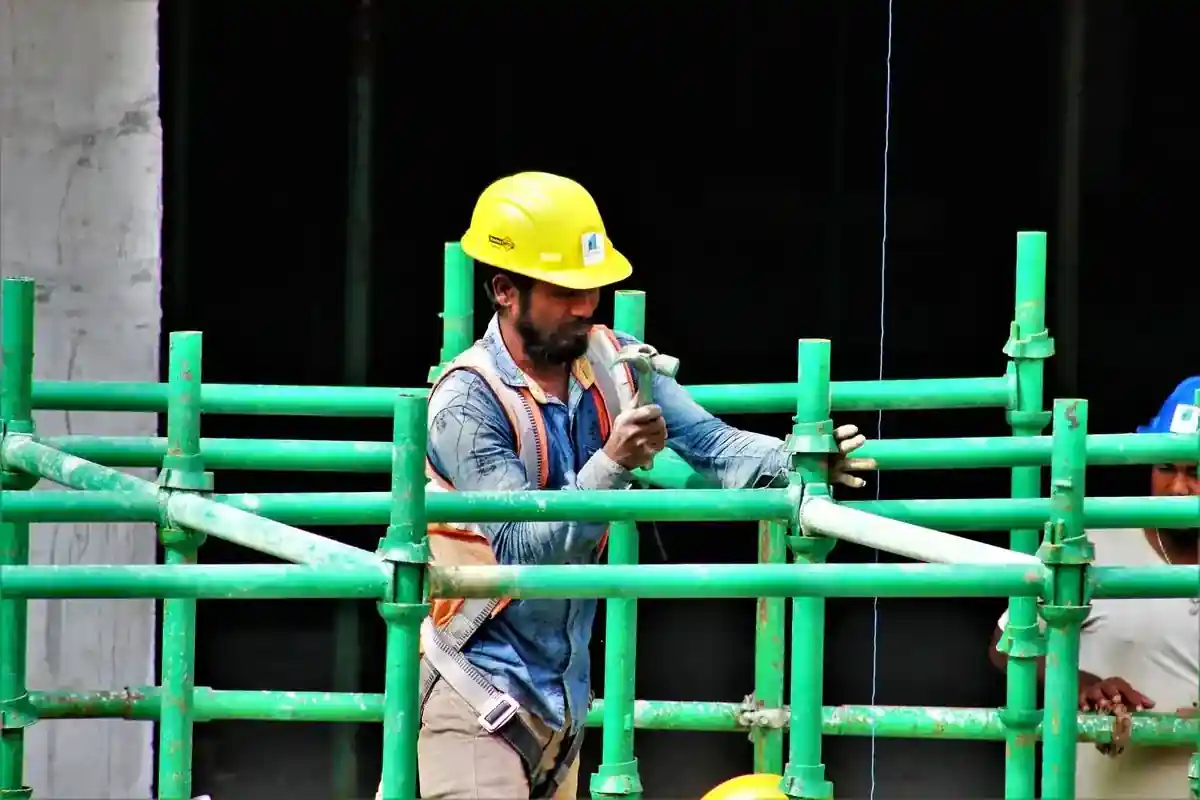
Scaffolding is used in construction, maintenance and industrial projects. Its shape depends on the structure and the intended work. Tasks include preparing components, assembling to a plan and later dismantling in sequence. Supplying materials, erecting scaffolds, modifying them and approving them are different responsibilities.
Every scaffold component belongs to a designed structure
Scaffolders create access and working platforms for other trades. Standards, ledgers, braces, decks and ties form a structure that must match the system information and project requirements. Ground support, access and intended loads affect the arrangement. Similar-looking parts are not automatically interchangeable. Adding sheeting or netting, or changing a scaffold, can alter the forces and needs assessment. The job therefore includes component checks, coordination and a clear handover. Erecting to instructions, assessing departures and authorising use are different responsibilities and should be described separately when explaining experience.
What will you do?
- Gather components and check for visible damage.
- Prepare the work zone according to the crew’s arrangements.
- Assemble components within your training and authority.
- Fit decks, guardrails, access and other specified parts.
- Dismantle in a controlled sequence and organise materials.
Where will you work?
You work outdoors or in industrial settings, often at height. Wind, site conditions and other activities affect the plan. Communication within the crew and with scaffold users is essential.
What does a working day look like?
The crew reviews the assembly plan and divides handling and installation tasks. After erection, the responsible person checks and releases the scaffold. Other jobs involve authorised alterations or dismantling.
Which skills and experience help?
Care, concentration and reliable teamwork matter. Training and instructions must match the work and responsibility. Describe the systems you know. You need to speak up about unclear instructions, unfamiliar equipment or difficulty working at height.
How can you develop?
With suitable training and assessment, supporting duties can lead to more independent assembly. Experienced workers may develop towards complex projects, crew guidance or inspection responsibilities.
Your practical experience
Identify the scaffold system and a specific application, such as facade access or an industrial working platform. Describe component checks, reading erection information and your assigned assembly tasks. If inspection or handover formed part of your work, explain that responsibility separately rather than implying it follows automatically from erection experience.
Practical questions about the trade
Why does a scaffolder need experience with the actual scaffold system?
Component geometry and connections determine how the system works structurally. Erection follows the manufacturer’s information and the project requirements. A component from another system may look suitable without being an approved substitute. Familiarity also helps identify damaged parts, missing members and departures from the intended arrangement before the scaffold becomes a workplace for other trades.
Why can scaffold ties, sheeting and netting not be changed casually?
Ties transfer forces between the scaffold and supporting structure. Sheeting and netting can affect loading, while removing or relocating members changes the structural arrangement. A change therefore needs assessment against the intended design. If a tie conflicts with facade work, that requires coordination rather than treating removal of the inconvenient component as a routine adjustment by the user.
Does a scaffold tag replace inspection and handover information?
A visible tag can help communicate status, but it does not replace the assessment and its record. Handover needs to identify the scaffold checked, its intended use and relevant limitations. Later damage or alteration also needs the agreed follow-up. Erection experience should therefore be distinguished from responsibility for inspection or release, according to the actual project arrangements.
More about this occupation
Occupational, training and technical sources relevant to this page.
- SBB / KiesMBO — Gespecialiseerde aanneming
- 3.3 Verankering
- 1.2 Verantwoordelijkheden en samenwerken
- Richtlijn Steigers - VSB
- Państwowa Inspekcja Pracy – Bezpieczne rusztowania
- CUBE – Instrukcja montażu rusztowania RA1100
- Curso de Inspeção e Aprovação de Andaimes | Bureau Veritas Formação
- Scaffolds - HSE
- Scaffolding - HSE