What does this occupation involve?
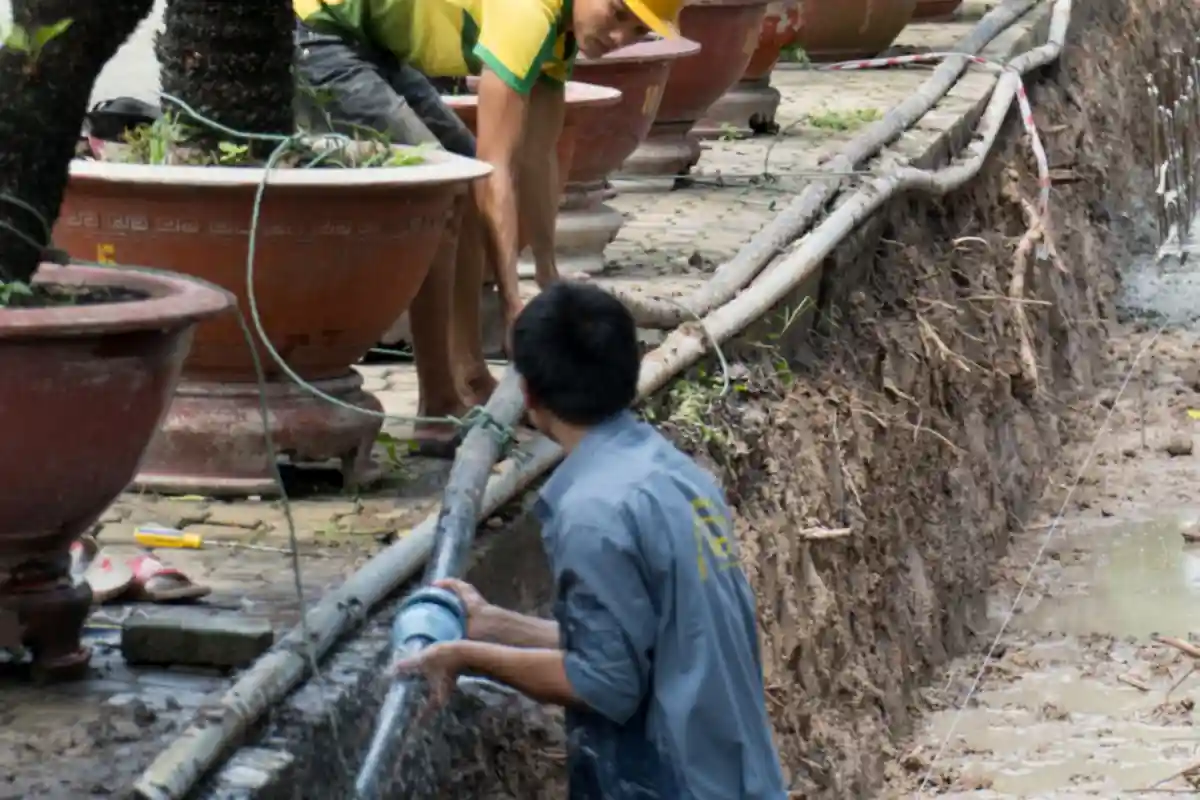
Installation can include assisting with pipes, chambers and connections. Maintenance may involve inspection, cleaning or supporting blockage removal. These specialisms require different tools and experience. Chambers and confined spaces create particular working conditions and are approached only under the applicable procedure. You do not enter an unfamiliar space independently. Coordination with the team is central to carrying out the assigned work.
Clear the blockage and record what caused it
Sewer maintenance starts with identifying the affected section and its access points. Jetting and vacuum equipment remove deposits, while a CCTV survey helps locate roots, cracks or other obstructions. The pipe and the nature of the blockage influence equipment selection. Work also includes managing the work area and collected sludge. Restoring flow does not repair a damaged pipe. A useful record separates the cleaning performed from defects that need further investigation or repair, allowing the next crew to understand what remains unresolved.
What will you do?
- Discuss the location and task with the team.
- Prepare pipes, chambers or maintenance equipment.
- Carry out assigned installation or maintenance work.
- Support inspection or cleaning for which you are instructed.
- Record findings and completed activities.
Where will you work?
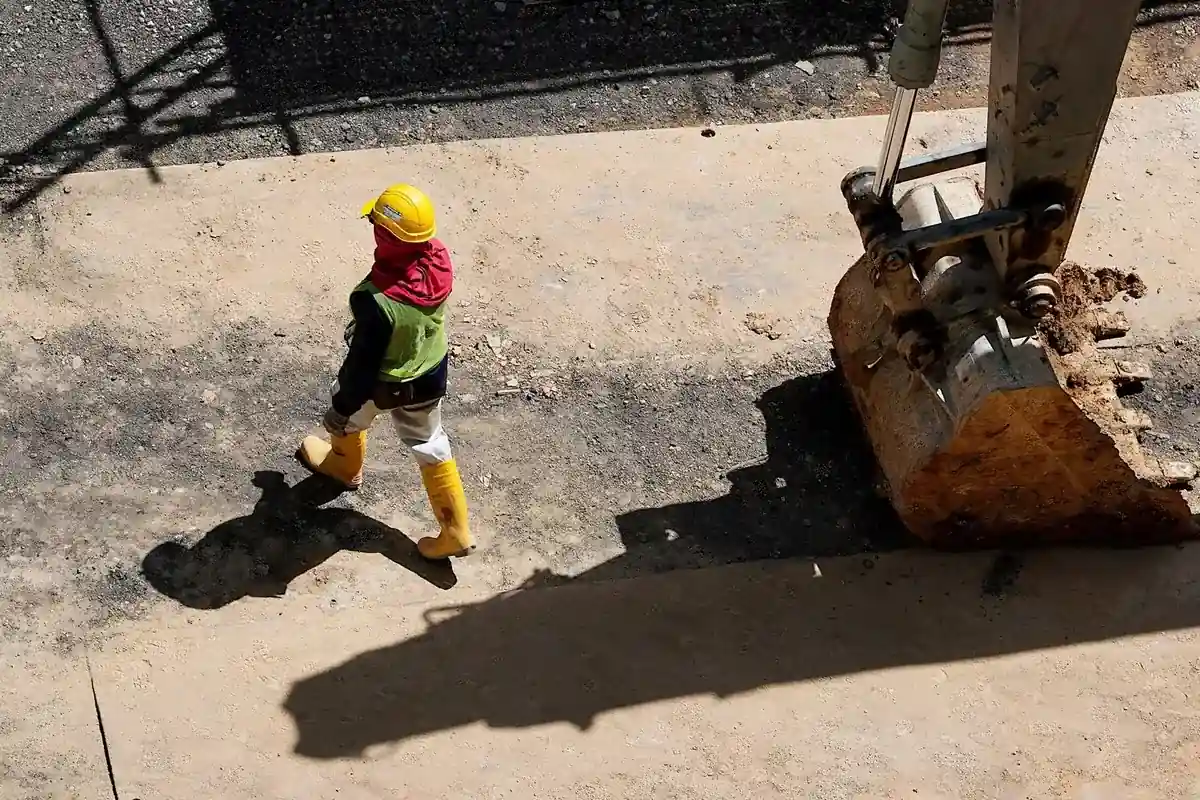
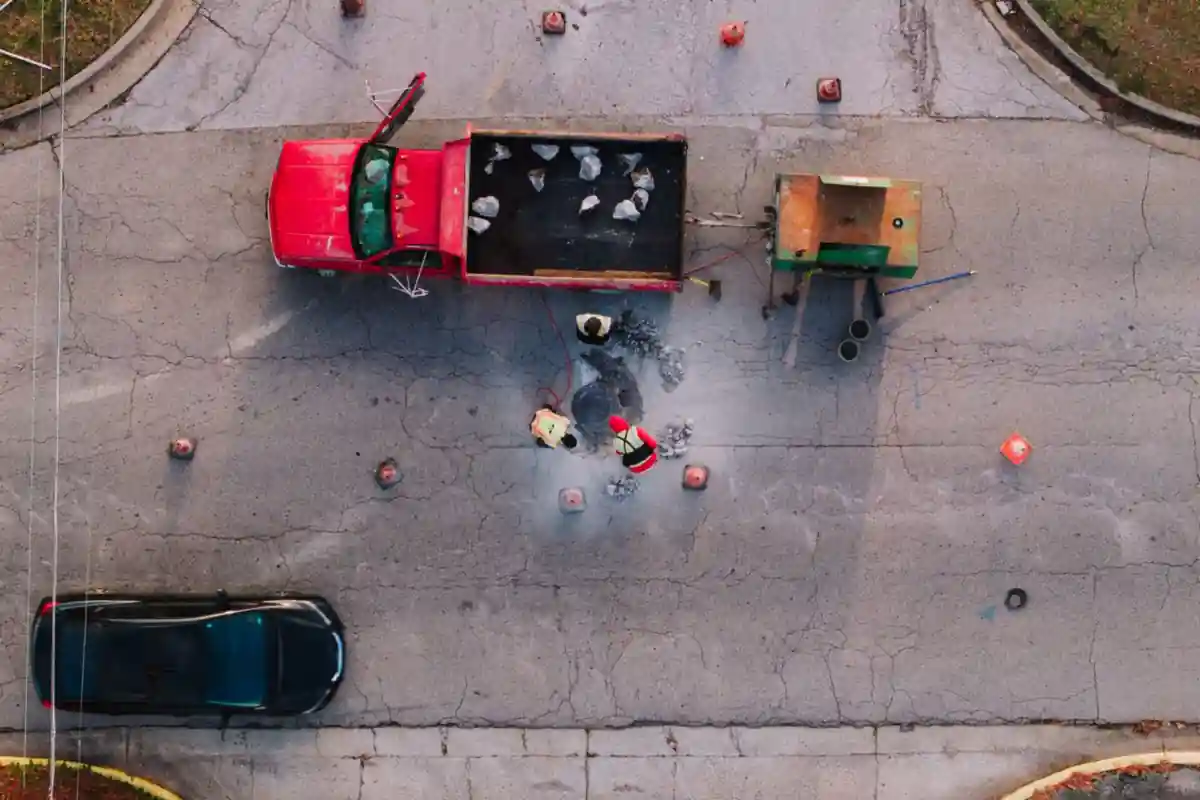
You work outdoors near streets and buildings or around technical drainage points. Conditions can be wet, dirty and physically demanding. Traffic, hygiene and nearby residents or businesses need consideration.
What does a working day look like?
You start with a briefing on the location and work zone. You carry out your part of the installation or maintenance, then check equipment and the area and report findings to the responsible colleague.
Which skills and experience help?
Practical understanding, teamwork and following instructions matter. Explain whether your experience concerns installation, camera inspection, cleaning or unblocking. These tasks are related but require different knowledge.
How can you develop?
You can specialise in inspection, maintenance methods or installation. With experience, you may help organise the work of a small team.
Your practical experience
An example of a recurring blockage can show how you connected the cleaning work with camera findings. Describe the hose, nozzle, vacuum unit or inspection equipment you used, the deposits recovered and how you recorded the affected location for the repair team.
Practical questions about the trade
How does sewer cleaning differ from a CCTV drain survey?
Cleaning removes deposits and obstructions using suitable jetting or vacuum equipment. A camera survey examines the pipe condition and can identify cracks, root intrusion or other obstacles. The activities can support each other. A pipe may flow again after cleaning while still containing a defect that requires separate investigation or repair.
Why can a sewer blockage return after jetting?
Removing accumulated material does not necessarily remove the underlying cause. Roots or pipe damage may remain after cleaning. The history of the problem, its location and camera findings help distinguish these situations. Maintenance records should make clear what material was removed and what defects still need assessment, rather than describing restored flow as a complete repair.
Does sewer maintenance always involve entering a manhole?
No. Sewer chambers can contain dangerous atmospheres and have difficult access or escape routes. The first consideration is whether inspection or cleaning can be completed from outside. Necessary entry requires specific planning, appropriately instructed people, control measures and rescue arrangements. General drain-cleaning experience does not by itself establish competence for confined-space entry.
More about this occupation
Occupational, training and technical sources relevant to this page.
- SBB / KiesMBO — Grond-, weg- en waterbouw
- Rioolinspectie met camera - Riool Reinigings Service RRS
- Training gebruik hogedrukmachine bij reinigen - Techniek Nederland
- Usługi eksploatacyjne na sieciach, przyłączach oraz urządzeniach wodociągowych i kanalizacyjnych – Wodociągi Słupsk
- IEFP — funções de operador de desobstrução e limpeza
- Confined spaces: A brief guide to working safely
- Verstikkings- en bedwelmingsgevaar | Arboportaal
- akty prawne do ISAP-u