What does this occupation involve?
The focus is water distribution rather than plumbing inside homes. You follow drawings and instructions covering materials, connections and hygienic working. Existing pipe conditions and access to the excavation affect the task. Work on a live network and its release for intervention are coordinated with the responsible organisation. This makes careful preparation and communication as important as practical pipe assembly.
A water main needs both integrity and hygienic acceptance
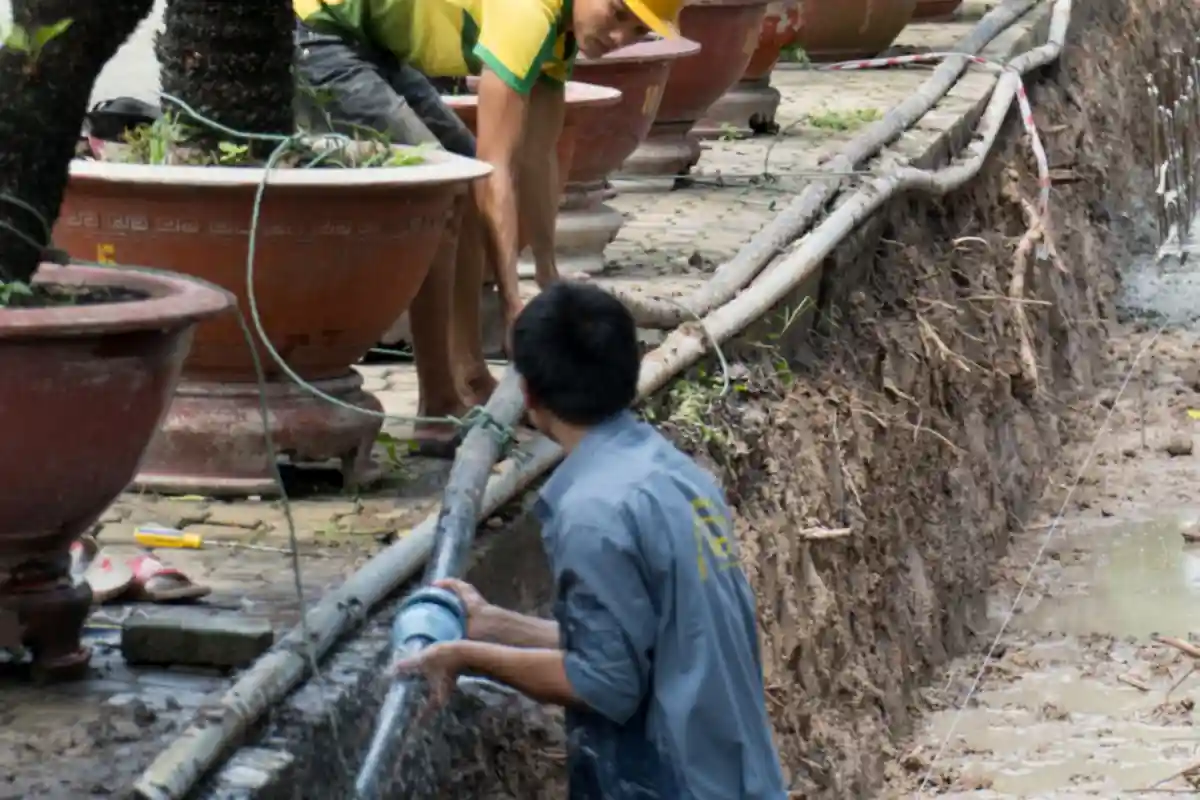
A water-mains installer works on mains, service connections and valves to the network design. PE, PVC and other pipe materials require suitable joints and support; PE electrofusion is a different process from fitting a mechanical coupling. Protection against contamination matters during storage, laying and connection of drinking-water pipes. The team checks alignment, joints and component identification. Pressure testing, flushing and any disinfection or sampling follow the water utility procedure. The section enters service only after the required assessment, with installation records supporting that decision.
What will you do?
- Check drawings, pipe sections and fittings.
- Prepare the installation area with the groundworks team.
- Install pipes, fittings and valves.
- Assist with assigned inspection and handover activities.
- Report completed work and deviations.
Where will you work?
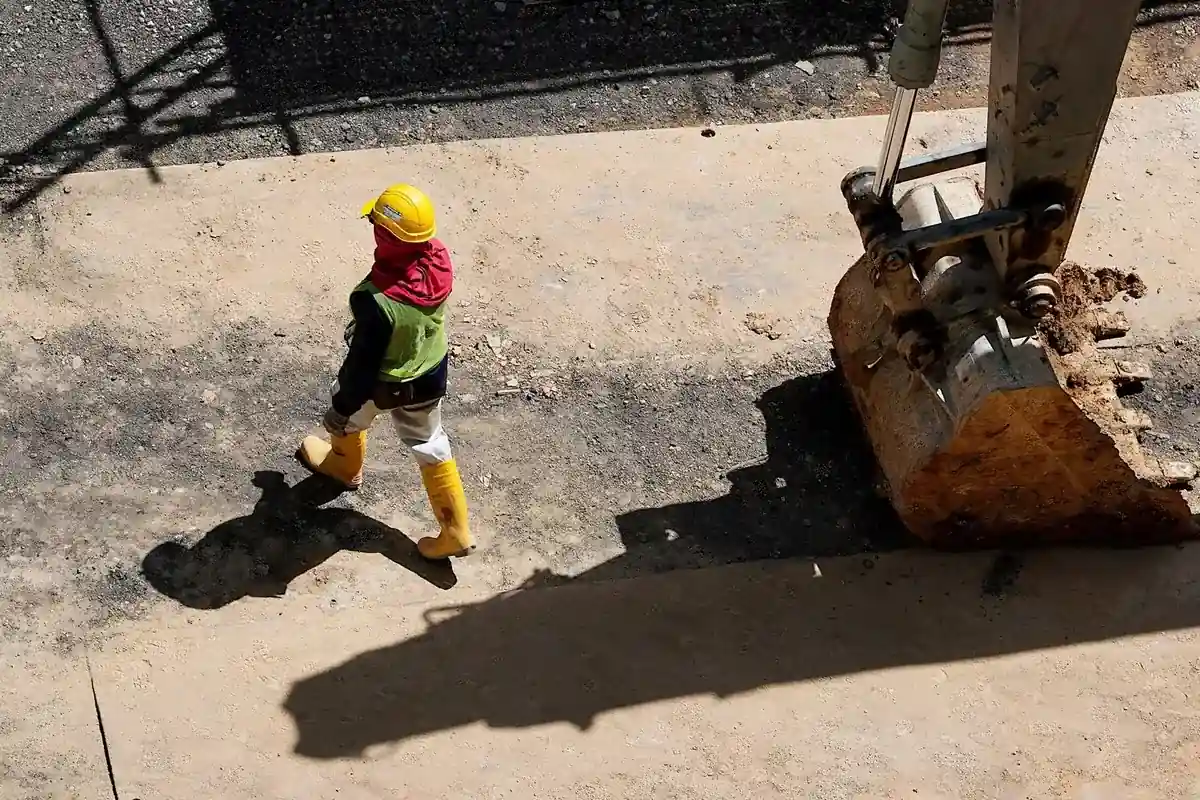
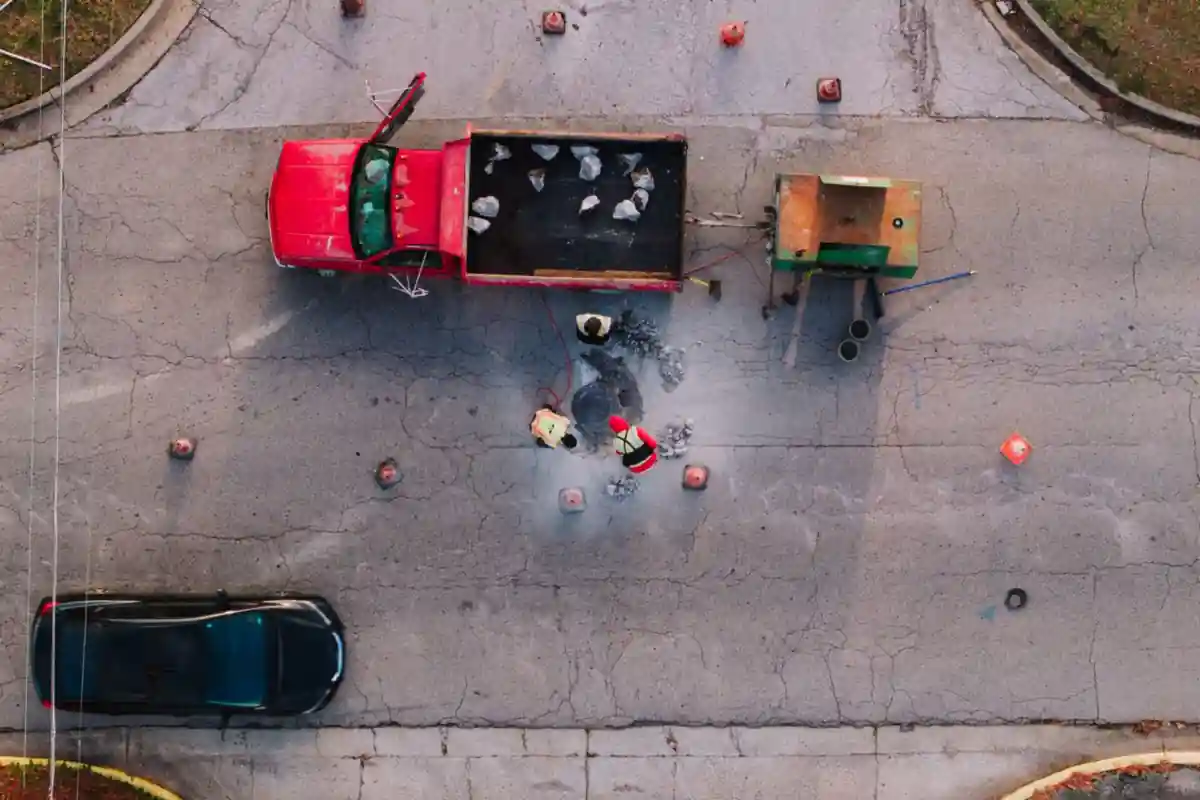
You work outdoors in streets, new developments or other infrastructure areas. Traffic, existing services and excavation conditions require clear arrangements and protected working zones.
What does a working day look like?
The day begins with a briefing and material checks. Once the area is ready, you install the assigned section. You check your work and tell the team when it is ready for the next stage.
Which skills and experience help?
Accuracy, understanding drawings and knowledge of pipe materials help. Explain your experience with distribution networks, service connections or maintenance. Particular joining methods and required instructions are assessed for the role.
How can you develop?
You can develop skills in specialist connections, network maintenance or team support. Additional knowledge may lead to more responsibility in preparation and quality checks.
Your practical experience
Describe a new main or distribution-pipe repair. Identify pipe material, joining methods and valves, including your part in keeping components clean. Explain fusion records, as-built information and involvement in testing or flushing. Distinguish completing the installation from the separate responsibility for accepting the main into service.
Practical questions about the trade
How does PE electrofusion differ from a mechanical water-pipe coupling?
Electrofusion uses a compatible PE fitting and controlled fusion process. A mechanical coupling seals and restrains according to its own construction. Material, size and application must match. Fusion preparation and traceable process records matter; a completed-cycle indication alone does not establish joint quality. Each method follows its own product instructions and inspection arrangements.
Why does a water-mains installer protect cleanliness before connection?
Contamination introduced during storage, transport or installation can affect drinking-water quality. Hygienic working therefore begins before filling the main. Components and tools are handled under the water utility procedure, and contamination is reported. Later flushing or disinfection does not justify careless treatment of open pipe sections while the network is being installed or repaired.
Does a successful pressure test mean a water main can enter service immediately?
Pressure testing assesses a different issue from hygienic suitability. Flushing, disinfection, sampling and review of records may also be required under the utility procedure. The installer records joints, alignment and test results. Acceptance follows the agreed process; the absence of visible leakage is not equivalent to complete approval of that main for supplying drinking water.
More about this occupation
Occupational, training and technical sources relevant to this page.