What does this occupation involve?
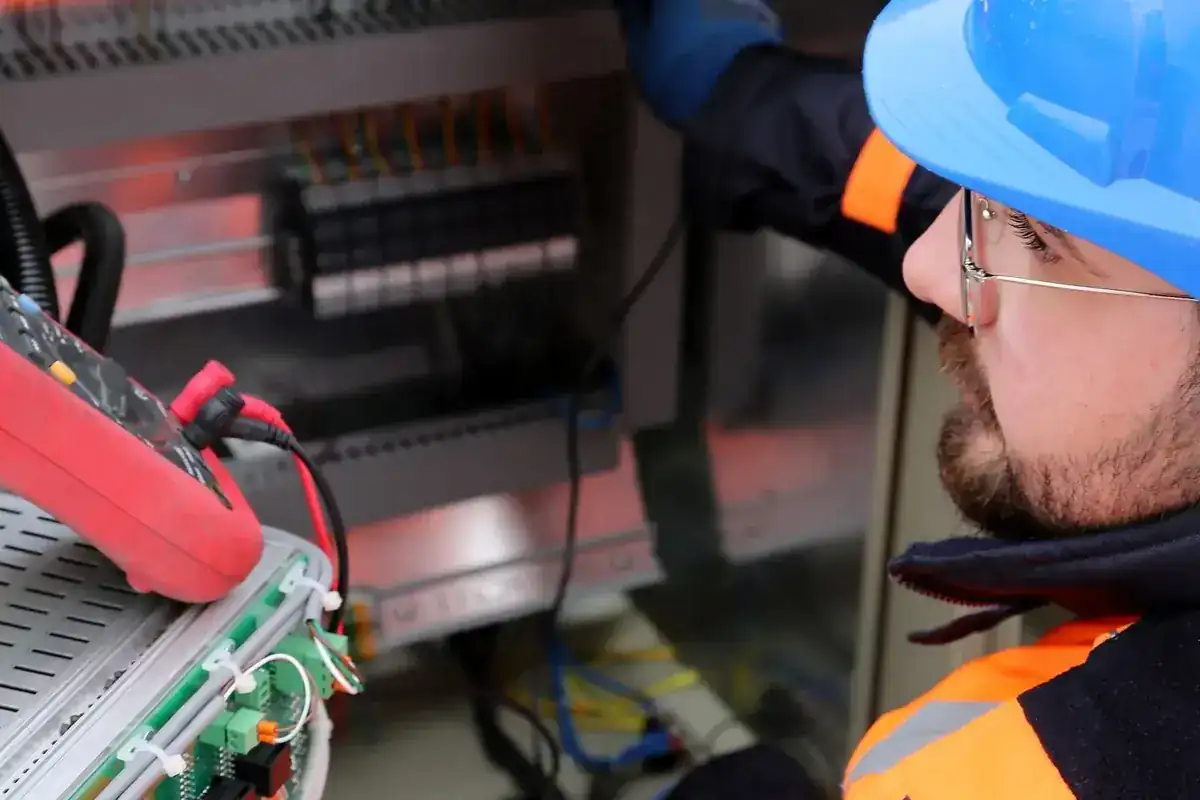
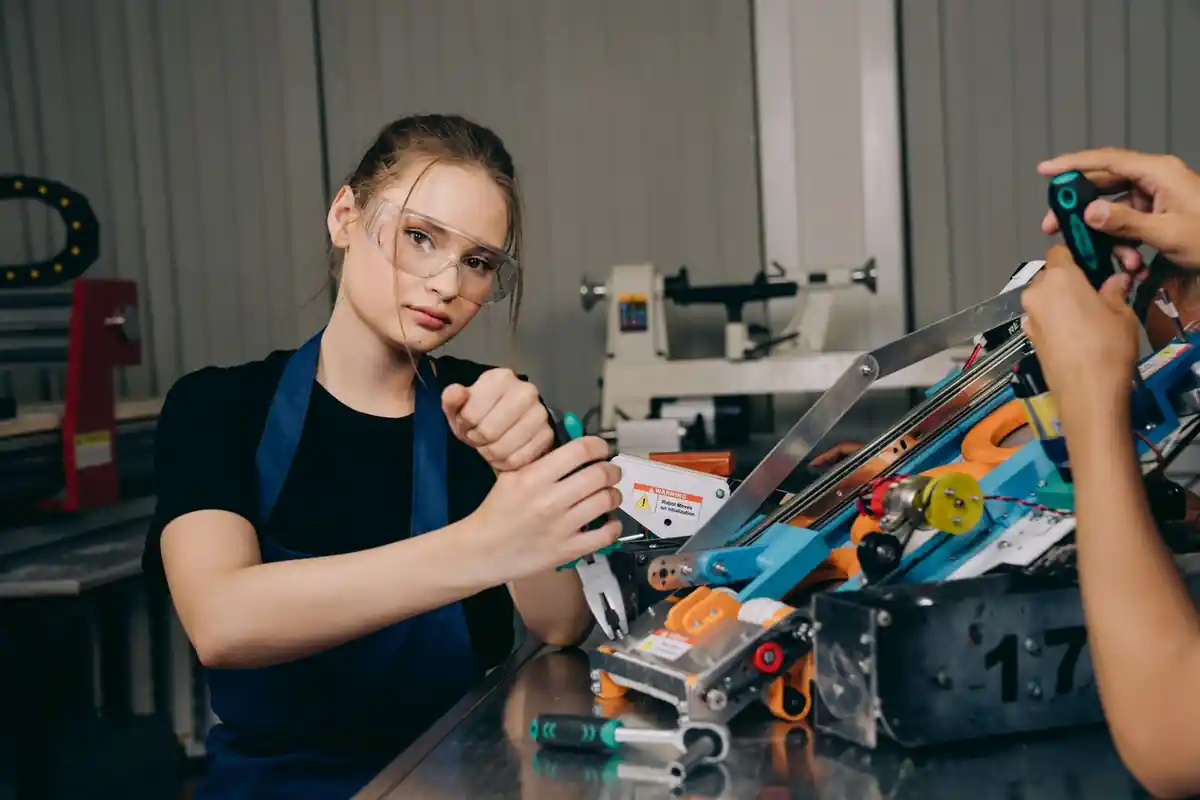
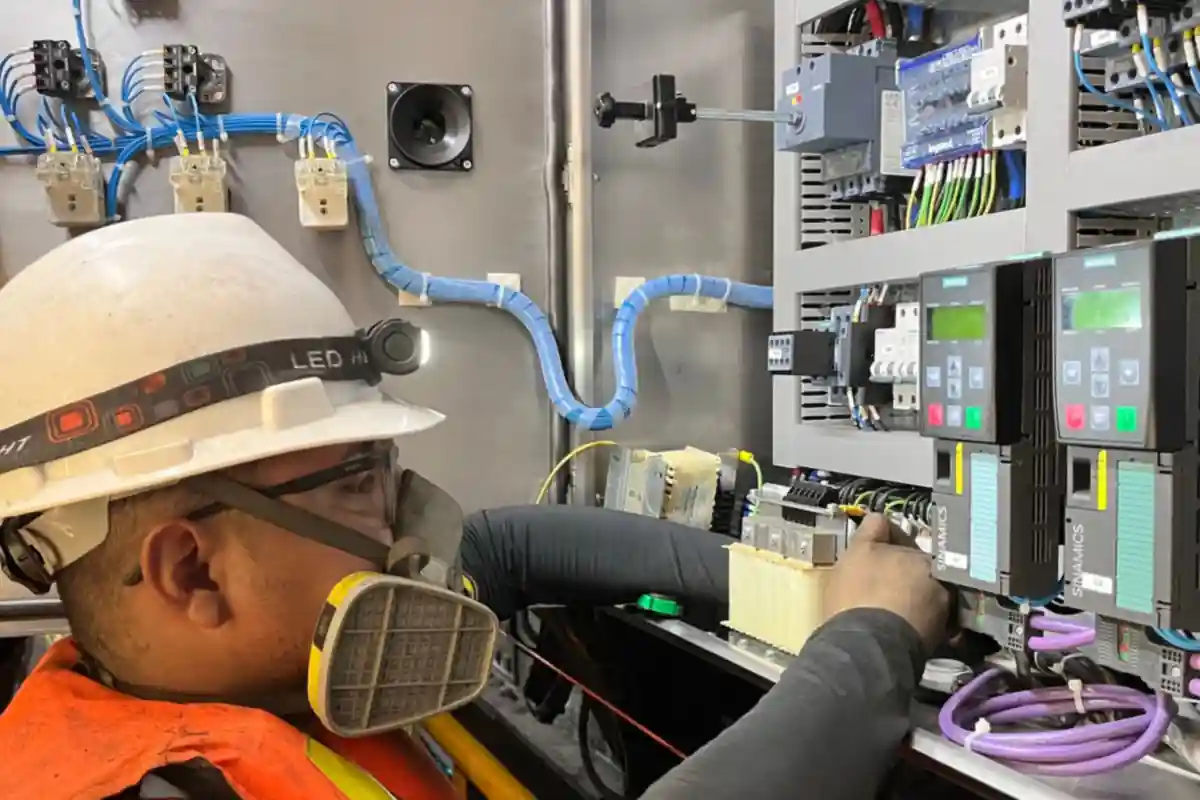
The work often takes place in a workshop producing panels for machinery or building systems. You install rails, cable ducts and components, then add clearly identified wiring. A tidy layout makes inspection and future maintenance easier. Panel building is one part of electrical engineering; designing controls, programming and working on energised equipment are not automatically included in the same position.
Build a panel that can be checked against its drawings
A panel builder treats circuit diagrams, parts lists and mounting layouts as connected production information. Mounting plates, rails and wiring ducts establish component positions and access. Mechanical assembly is followed by preparing, connecting and identifying conductors for terminals, contactors, power supplies and control equipment. Ferrule requirements depend on the conductor and connection technology. Agreed inspections and tests follow construction. Tidy wiring becomes a useful finished panel only when connections, labels and revised documentation match the configuration that has actually been checked and tested.
What will you do?
- Read electrical diagrams and component lists.
- Fit mounting plates, cable ducts and components.
- Prepare, connect and identify wires.
- Compare the assembly with the diagram and numbering.
- Complete assigned checks and record discrepancies.
Where will you work?
You usually work indoors in an electrical assembly or machine-building workshop. Concentration and an organised bench are important. Questions are discussed with engineering or test staff before mistakes become part of the panel.
What does a working day look like?
You check the drawing revision and prepare the parts. You then assemble and wire the panel in stages, checking identification and connections before handing it over for the next inspection.
Which skills and experience help?
Reading diagrams, neat wiring and accuracy are essential. Describe the cabinets, components and connection methods you know. Testing duties and electrical responsibilities must match your training and instructions.
How can you develop?
You can progress to more complex panels, quality control or assembly supervision. Further training may support a move into electrical testing or machine control systems.
Your practical experience
A control panel with relays, PLC connections and a variable-speed drive is a useful example. Explain reading diagrams, mounting components and preparing conductors. Distinguish wiring work from complete panel construction and from carrying out measurements or functional tests under the responsibilities agreed for that particular project.
Practical questions about the trade
What does a panel builder use alongside the circuit diagram?
A mounting layout establishes component positions, while parts lists and connection data support material checks and wiring. These documents must represent the same revision. Otherwise correctly interpreted wiring may still connect to the wrong component or arrangement. Changes are recorded so the final documentation describes the panel actually constructed and prepared for verification.
Does every conductor in a control panel need a ferrule?
The conductor, terminal technology and specification determine that. Some connections accept suitable flexible conductors without ferrules, while other applications require compatible ferrules and crimping. The combination follows manufacturer information. Stripping quality, damaged strands and legible wire identification still need checking, whichever termination technology is used; a neat appearance does not establish electrical suitability.
How does control-panel testing differ from wiring the panel?
Wiring creates the connections; testing checks the completed assembly against the inspection plan. This can include visual inspection, wiring verification, electrical measurements and functional checks. The scope and responsible personnel are established beforehand. Results and discrepancies are recorded, because a neatly assembled panel is not automatically evidence that its required verification has been completed.
More about this occupation
Occupational, training and technical sources relevant to this page.
- SBB / KiesMBO — Elektrotechnische installaties
- Prefabrykacja - obróbka mechaniczna, montaż i konfekcjowanie | Rittal
- Projektowanie - Prefabrykator szaf sterowniczych i rozdzielnic | Rittal
- Quadro de distribuição principal de baixa tensão para estações de transformação compactas
- Electrical Panel Builder UK | Design & Manufacture | Phoenix
- Control cabinet mounting and wiring | Phoenix Contact
- Ferrules | Phoenix Contact