What does this occupation involve?
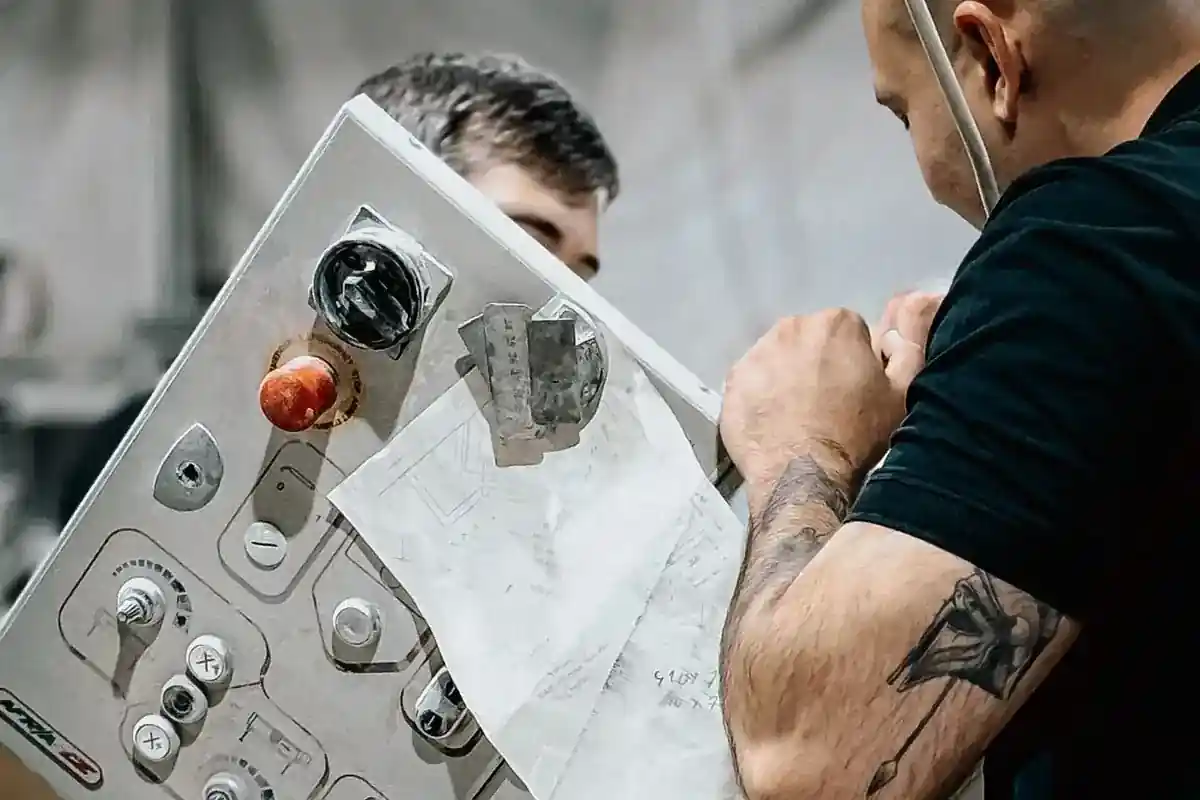
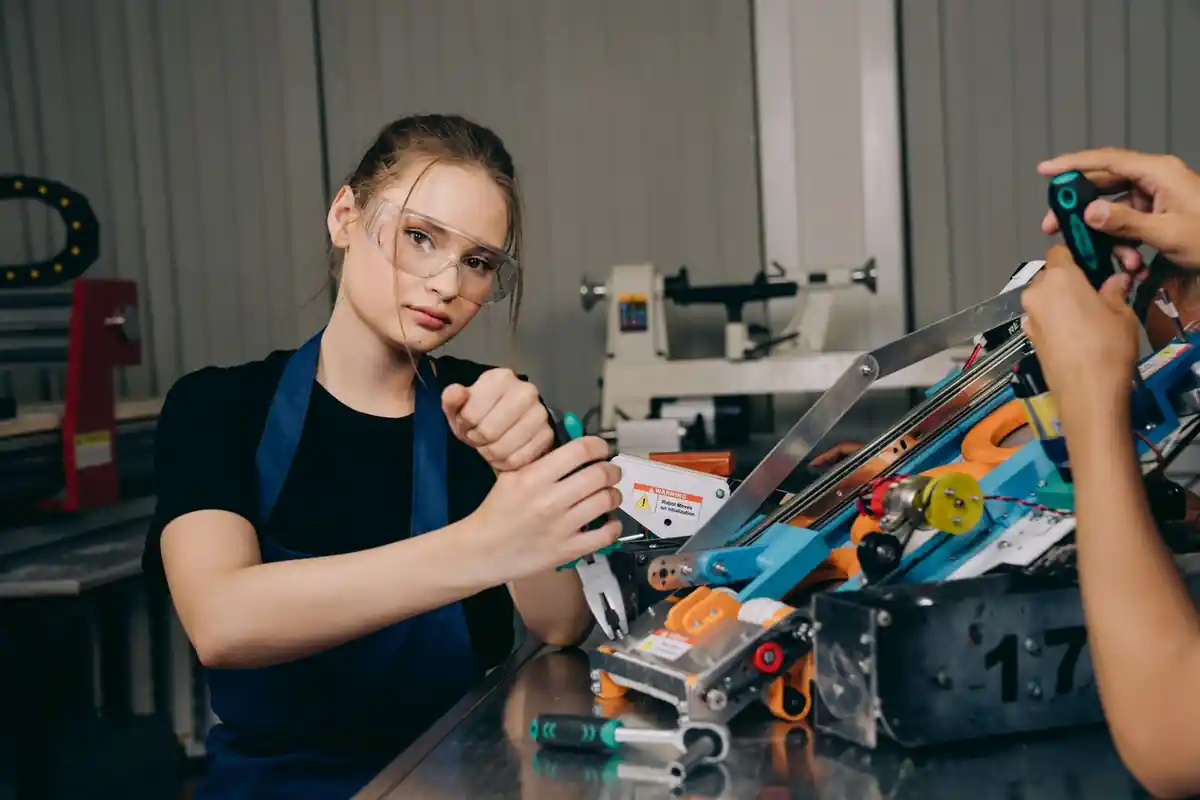
Frames, drives, guides and mechanical units must be assembled in the correct order and fit accurately. You use drawings and parts lists and report missing or unsuitable components. Some positions also include pneumatic or electrical connections, depending on the division of work. Machine assembly involves more technical fitting and checking than general production assembly, although both require a consistent working method.
Assembling parts into a machine that works together
A machine assembler works from assembly drawings, parts lists and instructions. Frames, guides, bearings, drives and pneumatic components must do more than occupy the right positions: they need to function together. Assembly order affects access and adjustment. Component identity, fit, fastenings and freedom of movement are checked before later stages restrict access. Mechanical assembly, electrical connection and commissioning may be divided between specialists. Specified inspections and functional tests are recorded. A machine that moves is not yet fully accepted; adjustment, documentation and handover must also meet the job requirements.
What will you do?
- Compare components with drawings and parts lists.
- Assemble frames, bearings and mechanical modules.
- Align and adjust moving parts.
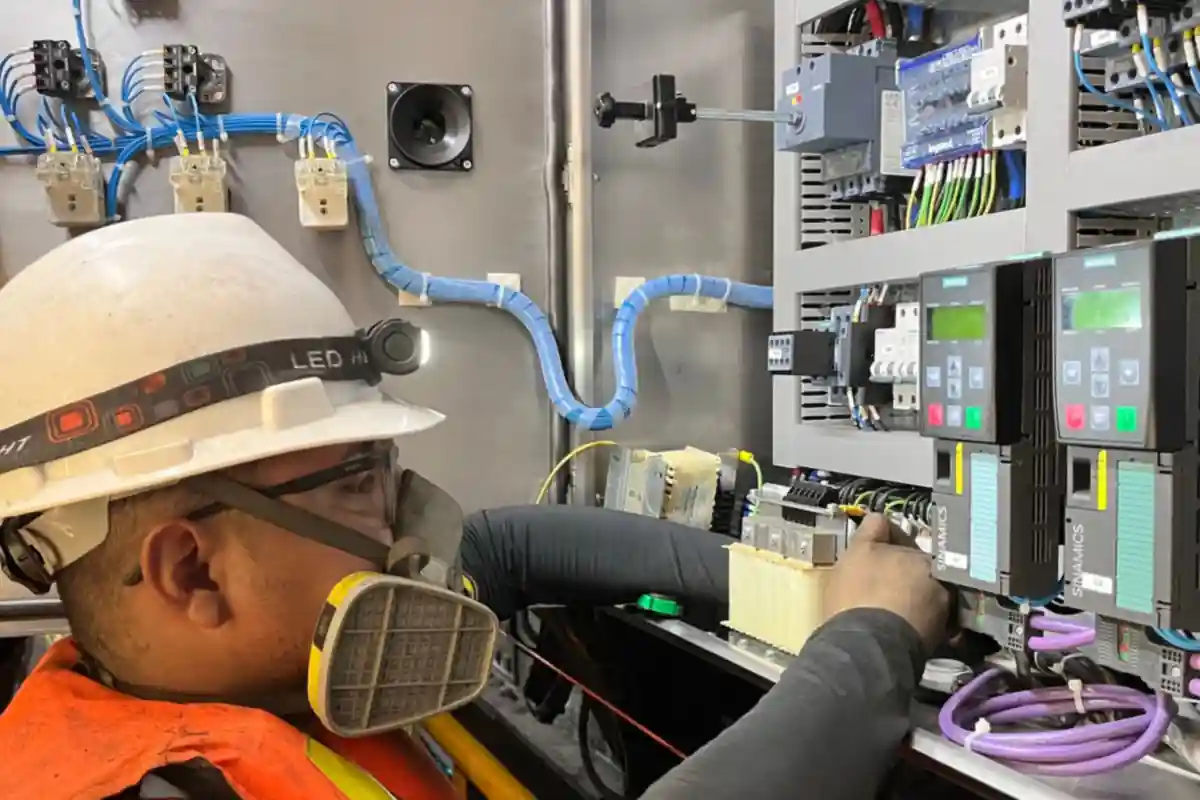
- Complete assigned connections and checks.
- Record and report assembly problems.
Where will you work?
You usually work in a machine factory or assembly workshop, at a bench or around larger equipment. You coordinate with other assemblers, production preparation staff and the people who test the machine.
What does a working day look like?
You start by checking components and the assembly sequence. During fitting, you check clearances and movement. You then hand over the module or help with a functional test under the work instruction.
Which skills and experience help?
Drawing interpretation, tool knowledge and patience during adjustment are valuable. Explain your experience with drives, pneumatics, hydraulics or electrical assembly. Working independently includes knowing when to discuss a deviation.
How can you develop?
You can progress into complex machines, final assembly, testing or service. Further experience may lead to coordinating an assembly project or supporting a small team.
Your practical experience
Use a conveyor module or machine subassembly as an example. Identify the parts list and the bearings, guides or drives you installed. Explain how you checked fit and movement and which adjustments you made. Describe pneumatic connections, electrical work and testing separately so your contribution to the complete machine is clear.
Practical questions about the trade
How does a machine assembler use drawings and parts lists?
An assembly drawing shows how components relate to one another; the parts list supports correct identification. Instructions add the sequence and required checks. Revisions and discrepancies need resolving before assembly proceeds. A component that physically fits is not necessarily the correct one, particularly when visually similar variants have different functions. Checking the documentation prevents that uncertainty reaching the finished machine.
What checks matter when assembling guides, bearings and mechanical drives?
Check the specified fit, position, fastening and freedom of movement using appropriate equipment. Individual component quality does not prove the assembly is correct. Unexpected resistance, play or an incompatible connection needs investigation before building continues. Instructions also define recorded measurements and when adjustment or another specialist's assessment is required, while the relevant parts are still accessible for inspection.
How does machine assembly differ from commissioning the completed system?
Assembly brings components together to the drawing; commissioning evaluates the complete system's behaviour through the agreed test procedure. It may include adjustment, control-system interfaces and functional checks. Not every assembler carries out all electrical or controls work. Handover therefore records what is assembled, which inspections are complete and what still needs approval before the machine enters normal service.
More about this occupation
Occupational, training and technical sources relevant to this page.
- SBB / KiesMBO — Monteur mechatronica
- SBB / KiesMBO — Productietechniek
- SBB — Eerste monteur mechatronica: beroep in het kort
- Kwalificatiedossier Machinebouw mechatronica
- IEFP — Montador de maquinaria mecânica
- IEFP — Montador de equipamentos elétricos e eletrónicos
- Engineering fitter
- Engineering fitter / Skills England