What does this occupation involve?
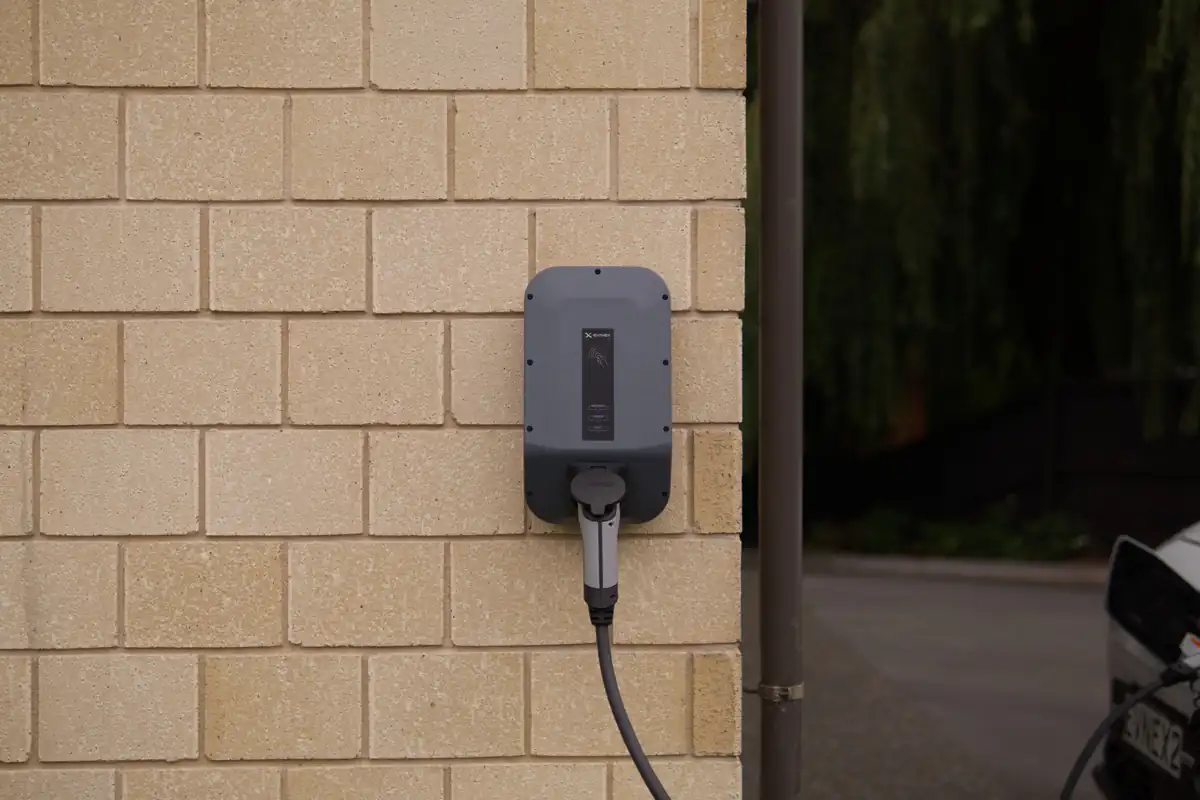
A charging point may be wall-mounted, installed on a pedestal or form part of a larger charging site. The design determines the equipment and connections. You coordinate with colleagues responsible for groundwork, cable installation or the electricity connection. Your exact responsibilities depend on the assignment and your technical competence.
Commissioning a charger within the site's available supply
An EV chargepoint installer brings together the electrical supply, charging station and controls. The design governs cable routes and electrical provision, while the equipment instructions govern mounting and connections. Configuration then covers current limits, communications and any load-management system. A station can appear complete yet fail to charge because authorisation, settings or meter information are missing. Handover therefore combines electrical verification with a functional charging test and recorded configuration. Multiple chargepoints also require attention to their combined demand. The charger's nameplate capacity is not automatically available at every installation site.
What will you do?
- Check the work order, cable route and installation materials.
- Prepare foundations, fixings and charging equipment as instructed.
- Install assigned cables and components within the agreed scope.
- Assist the responsible specialist with checks and functional testing.
- Record installation details and report issues relevant to maintenance.
Where will you work?
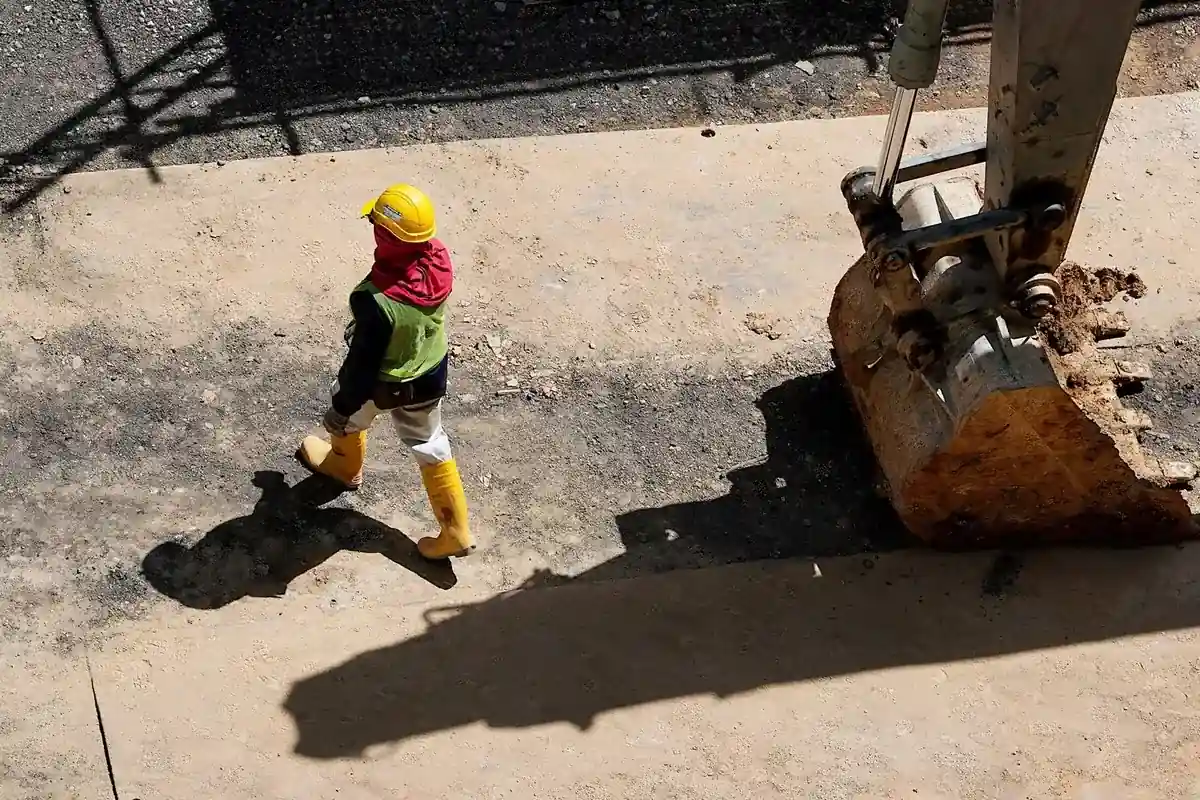
Work takes place in car parks, garages, business premises and residential locations. Vehicles and other trades may remain nearby. Clear access arrangements and coordination help organise the installation efficiently.
What does a working day look like?
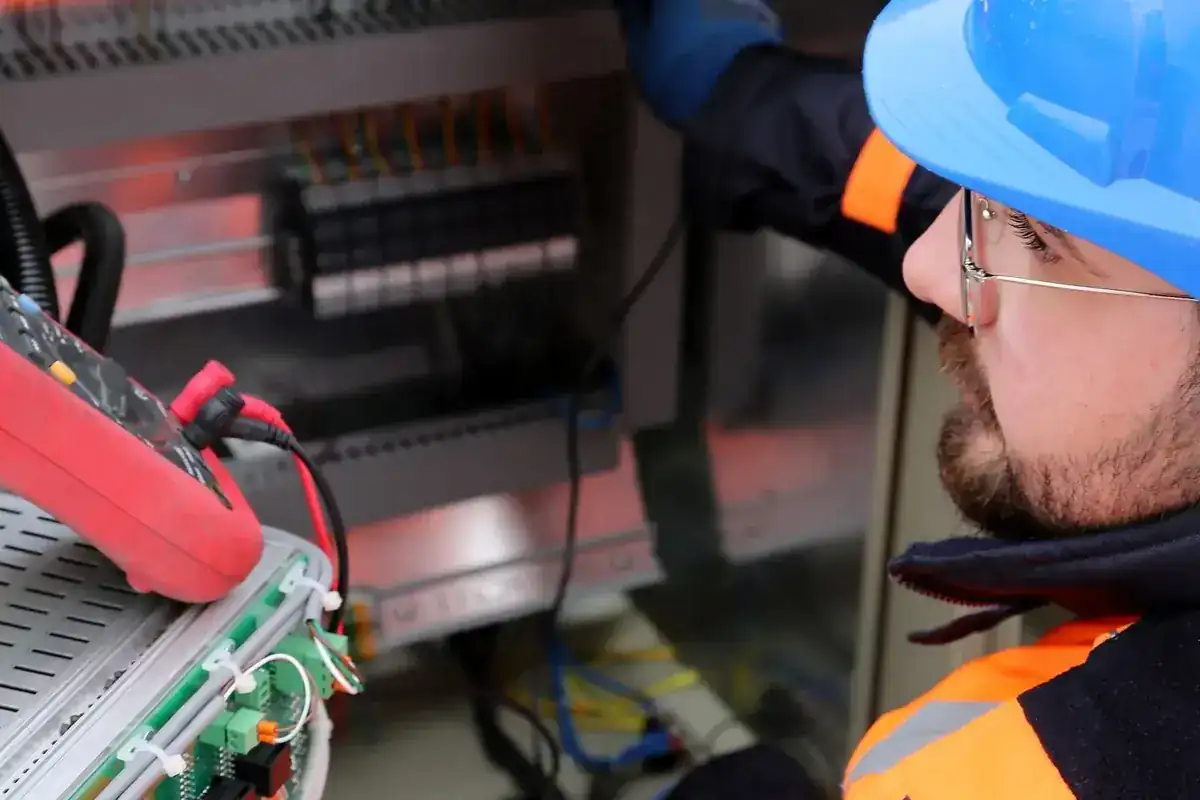
You inspect the location and materials before starting assembly. The designated specialists complete connections and operational checks. During a service visit, you first review the reported problem and available fault information before deciding on the next task.
Which skills and experience help?
An electrical background, diagram reading and accurate measurement are useful. Identifying cables and recording test results also matter. Discuss which installation and inspection tasks you are qualified to perform and whether equipment-specific training is needed.
How can you develop?
You can specialise in servicing, larger charging locations or diagnosing equipment and communication faults. Greater experience can lead to supporting commissioning and guiding new installers.
Your practical experience
Describe an installation using the charging station, energy meter and communications method involved. Explain your role in setting limits, testing a session and handing over configuration records. Distinguish physical mounting from electrical verification and load-balancing setup where different members of the installation team performed those tasks.
Practical questions about the trade
Why does a chargepoint installer verify dynamic load balancing?
Load management adjusts charging current to the available supply and other building demand. It depends on correct limits, measurements and communication. Incorrect configuration can unnecessarily slow charging or use the supply inappropriately. Verification therefore compares configured limits and live meter information with the design, rather than judging performance only against the charger's maximum advertised rating.
What does chargepoint commissioning involve beyond mounting the unit?
The installation needs electrical verification, equipment configuration and a functional charging-session check. Communications, user authorisation and specified smart-charging features are also assessed. Relevant settings and results should be recorded for operation and service. The design and manufacturer information determine the exact checks, with electrical work performed within the technician's competence and assigned authority.
Why can an EV chargepoint be online but still refuse to charge?
An online status confirms only that part of the communication system is working. Charging can still be limited by authorisation, current settings, load management or missing energy-meter data. The technician therefore examines status, configuration and relevant connections together. Network and electrical faults require different checks; replacing components at random does not establish the cause.
More about this occupation
Occupational, training and technical sources relevant to this page.
- ElaadNL — Preventief laadpaalonderhoud
- SBB / KiesMBO — Elektrotechnische installaties
- Eve Install – Eenvoudig in bedrijf stellen | Alfen
- Optimaliseer de laadefficiëntie met Active Load Balancing | Alfen
- How to configure Active Load Balancing (ALB) via the ACE Service Installer | Alfen Support Website
- How to check the Active Load Balancing functionality | Alfen Support Website
- Narzędzia cyfrowe dla stacji ładowania Terra AC - Terra AC Wallbox | Terra AC Wallbox | ABB
- Balanceamento de carga dinâmico em instalações de carregador único - Ativação e Guia do Utilizador - Wallbox Help Center
- Alfen — Charging station manual: commissioning