What does this occupation involve?
Assignments may involve new bathrooms, building pipework or maintenance. You assess the layout, prepare suitable components and check the finished connections. The term plumber is sometimes used for wider installation work, but heating, gas and refrigeration are not automatically included. Such tasks may require additional knowledge and authorisation.
The joint must belong to the pipework system
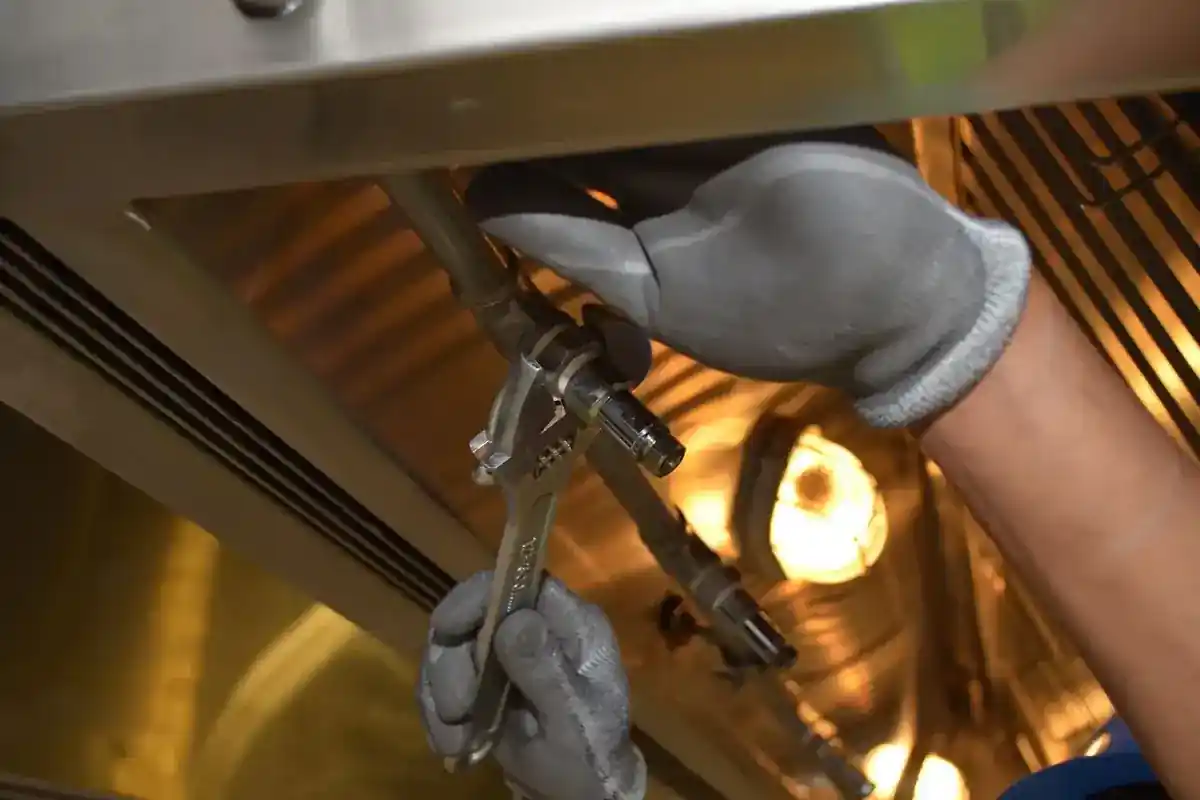
Plumbers install water supply and drainage pipework together with fittings, valves and sanitary appliances. Measuring routes, supporting pipes and keeping connections accessible matter, particularly when joining existing work. Copper, multilayer pipe and plastic drainage use different jointing arrangements. For press-fit systems, the pipe, fitting and pressing tool must be an approved combination; similar size alone is not enough. Supply and drainage also need different checks. The specified inspection and testing should be completed and recorded before pipework is concealed. Heating or gas work should be described as a separate area of experience.
What will you do?
- Prepare pipe routes, materials and supports.
- Cut and install water or drainage pipes as instructed.
- Fit sanitary components within the agreed scope.
- Check connections and investigate leaks or irregularities.
- Explain completed work and leave the area tidy.
Where will you work?
You may work on new builds, renovations or service visits. Spaces can be small or difficult to access. Coordination with tilers, carpenters and other installers is common.
What does a working day look like?
You review the job and existing connections, prepare pipework and complete the installation. Afterwards you follow the agreed checking procedure. Service work also involves discussing the problem and the result with the customer.
Which skills and experience help?
Technical understanding, neat work and problem-solving are useful. Describe the pipe systems, materials and sanitary installations you know. Distinguish new-build, renovation and service experience. General plumbing experience does not automatically authorise work on gas-burning appliances or other specialist systems.
How can you develop?
You can develop towards independent installation, renovation service or further mechanical installation training. Specialist work requires the appropriate education and authorisation.
Your practical experience
Use a bathroom refurbishment or new water-distribution installation as an example. Identify the pipe materials, jointing system and tools. Separate setting out, sanitary fitting and testing duties, and describe how an incorrect connection or leak was resolved before later trades concealed the finished pipework.
Practical questions about the trade
Why must press jaws, fittings and pipes be a compatible system?
A press joint relies on controlled deformation of the fitting and pipe. The manufacturer specifies suitable component and tool combinations for that connection. Matching diameter does not establish interchangeability. The installer therefore checks system information and the appropriate pressing equipment instead of mixing products because they look similar or are readily available on the job.
How does water-supply installation differ from drainage work?
Water supply delivers pressurised water to outlets and appliances. Drainage carries used water away through routes, supports and connections arranged for that purpose. Materials, jointing methods and tests can differ. Describe experience with each system separately, including sanitary-appliance installation where relevant, so the term plumber does not obscure which practical work was actually undertaken.
Why is plumbing checked before pipework is concealed?
Connections become harder to inspect or repair once finishes cover them. The specified inspections and tests therefore assess the completed installation while it remains accessible and provide a record of the result. The method depends on the system and components; there is no single universal test setting for supply and drainage. Defects need correction and appropriate rechecking.
More about this occupation
Occupational, training and technical sources relevant to this page.
- SBB / KiesMBO — Werktuigkundige installaties
- SBB – Monteur werktuigkundige installaties: profiel en werkprocessen
- geberit.nl
- Wprowadzenie - Monter sieci i instalacji sanitarnych 7‑8 - zpe.gov.pl
- Quiz - Monter sieci i instalacji sanitarnych 7‑8 - zpe.gov.pl
- IEFP – Canalizador: redes de abastecimento e drenagem
- Plumbing and domestic heating technician / Skills England
- Plumbing and domestic heating technician / Skills England
- Plumbing and domestic heating technician - Non-domestic plumbing technician / Skills England