What does this occupation involve?
Roof installation and electrical connection are different parts of a solar project. Some installers focus on mounting structures and panels; others handle wiring and electrical equipment. Responsibilities must be agreed beforehand, including who performs final checks. The layout, roof construction and access arrangements influence how the work is organised.
Joining roof work, DC wiring and commissioning
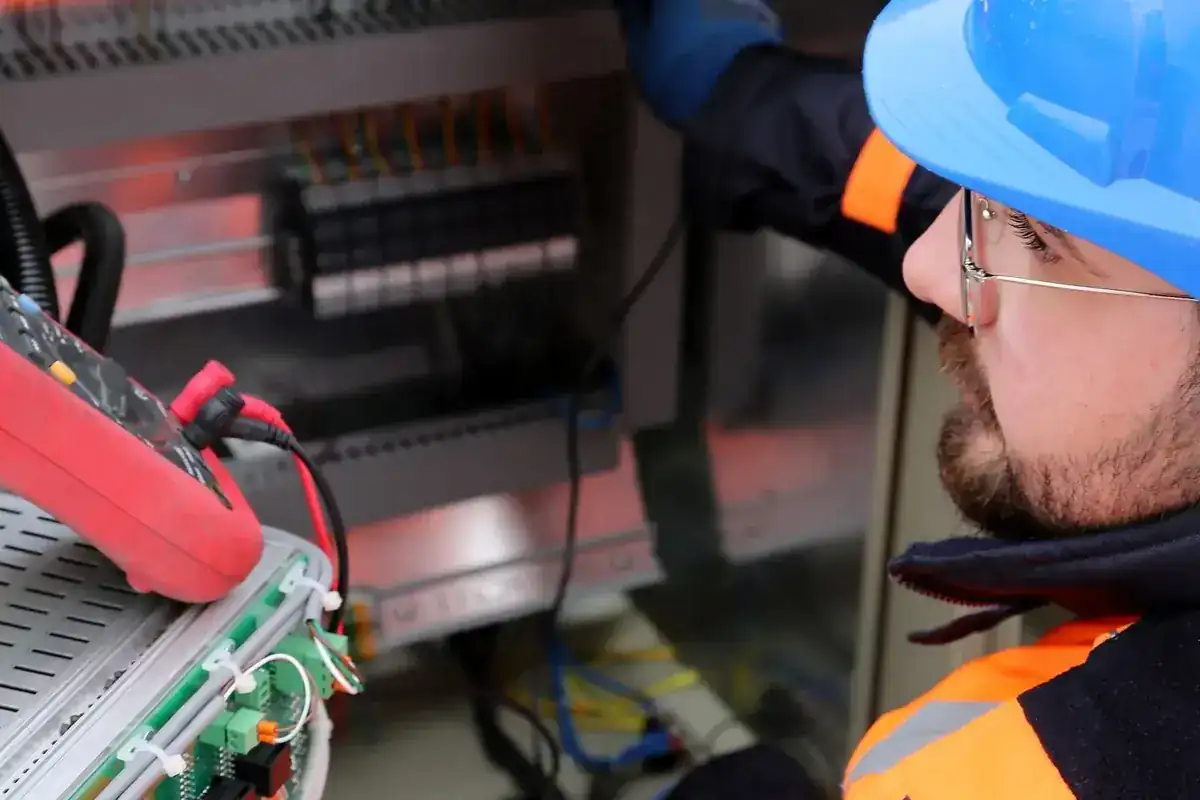
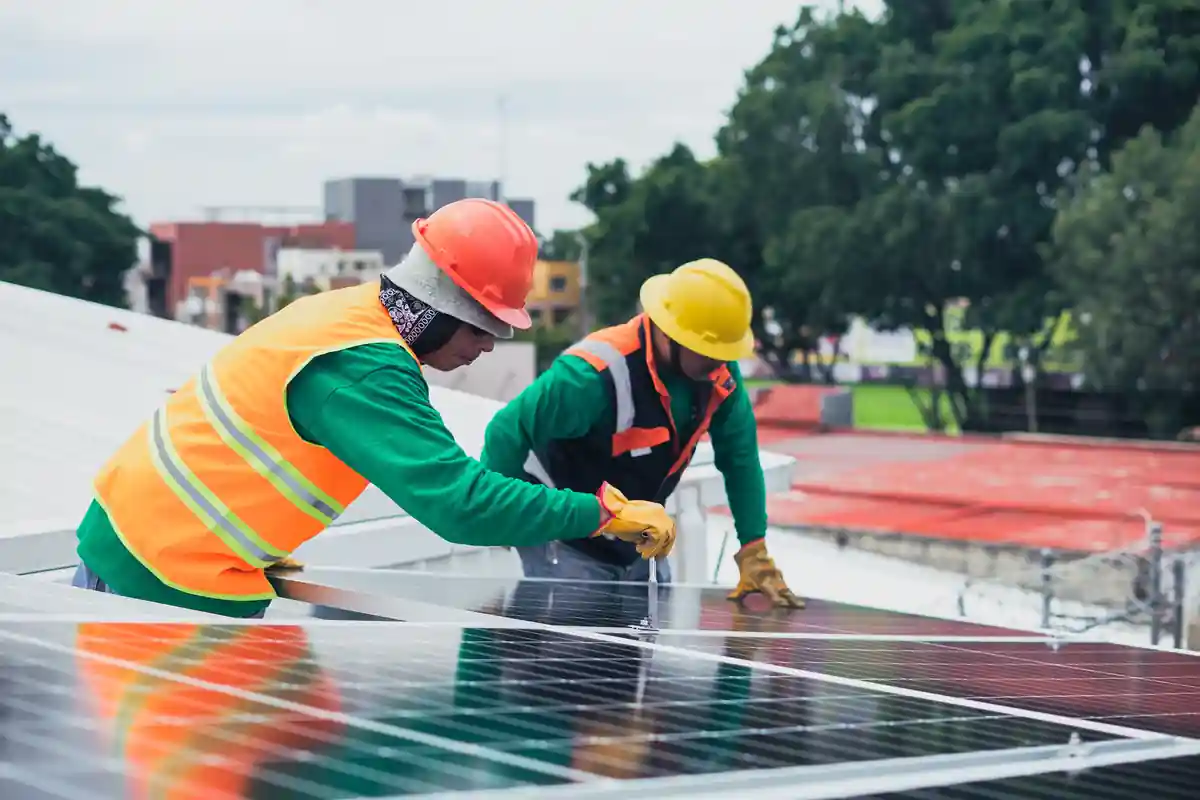
A solar-panel installer works on a system in which the roof, mounting hardware and electrical connections must fit the design. Roof type determines the mounting arrangement, with rails and clamps installed to the system's instructions. Cable routes, connectors and string identification need equal precision. Mechanically strained cables or incompatible connector combinations can cause later problems. Responsibilities for roof mounting and electrical connection must be clear. Handover brings mechanical checks, electrical verification, inverter configuration and records together; a power reading on the display is not a substitute for that work.
What will you do?
- Review the panel layout, roof access and division of responsibilities.
- Check panels, mounting components and handling equipment.
- Fit mounting structures and panels to project-specific instructions.
- Prepare cable routes and report damage or unexpected conditions.
- Check completed work and help leave the site ready for handover.
Where will you work?
You work at homes, commercial properties and other solar installation sites. Much of the work is outdoors and at height. Weather, roof condition and the available access equipment affect the daily plan.
What does a working day look like?
The team reviews the roof and installation plan before moving materials into position. Panels and supports are installed in an agreed sequence. Final checks cover fixings, site tidiness and any tasks still requiring completion.
Which skills and experience help?
Practical ability, spatial awareness and reliable teamwork are important. You must understand instructions for working at height. Electrical connection requires suitable knowledge and authorisation, so describe your mechanical and electrical experience separately when discussing a role.
How can you develop?
You can develop towards broader installation work or supervising a fitting team. Further training can support a move into electrical work, fault diagnosis and maintenance of existing photovoltaic systems.
Your practical experience
Describe an installation on a tiled or flat roof, naming the mounting system and your part in DC wiring. Experience with torque tools, cable support, string identification and installation checklists is specific and useful. State separately whether electrical testing and inverter commissioning were also within your assigned responsibilities.
Practical questions about the trade
Why does PV mounting differ between tiled and flat roofs?
Roof type determines how loads are transferred and which supports or fixings the mounting system uses. A roof-hook-and-rail arrangement is not interchangeable with every flat-roof system. Installers follow the layout and documentation for the particular roof, mounting product and module combination. Mixing parts or choosing fixing positions by instinct undermines that designed relationship.
Why should PV connectors not be mixed just because they fit together?
A matching outer shape does not show that two connectors have been tested or approved as a pair. Differences in contacts, materials and sealing can affect the connection. Use the specified compatible components and tools, with cable support and installation checks included. Hearing a connector click shut does not by itself establish a correctly made electrical connection.
What is checked at PV handover beyond the inverter's output reading?
Handover covers mechanical installation, cable routing, connections, string identification and the prescribed electrical verification. Inverter configuration and monitoring are then checked and the results recorded. The exact tests follow the design and manufacturer information and require competent personnel. Generating power does not demonstrate that every connection and setting in the installation is correct.
More about this occupation
Occupational, training and technical sources relevant to this page.
- ROVC — Zonnepanelen en installatiewerk
- SBB / KiesMBO — Elektrotechnische installaties
- ClickFit EVO Pannendak - Esdec zonnepanelen montagesystemen
- Montageset zonnepanelen - Esdec
- Fronius Primo (Online) Installatiehandleiding
- Fronius Symo GEN24 6 - 10 kW Plus/Symo GEN24 6-12 kW Plus SC Instrukcja obsługi
- SolarEdge — Commercial Installation Checklist (version 2.0, August 2022)
- Avoid cross-mating: only link same manufacturer PV connectors | Stäubli | United States
- Guia de instalação Fronius GEN24 Plus – Solar Energy – Fronius International