What does this occupation involve?
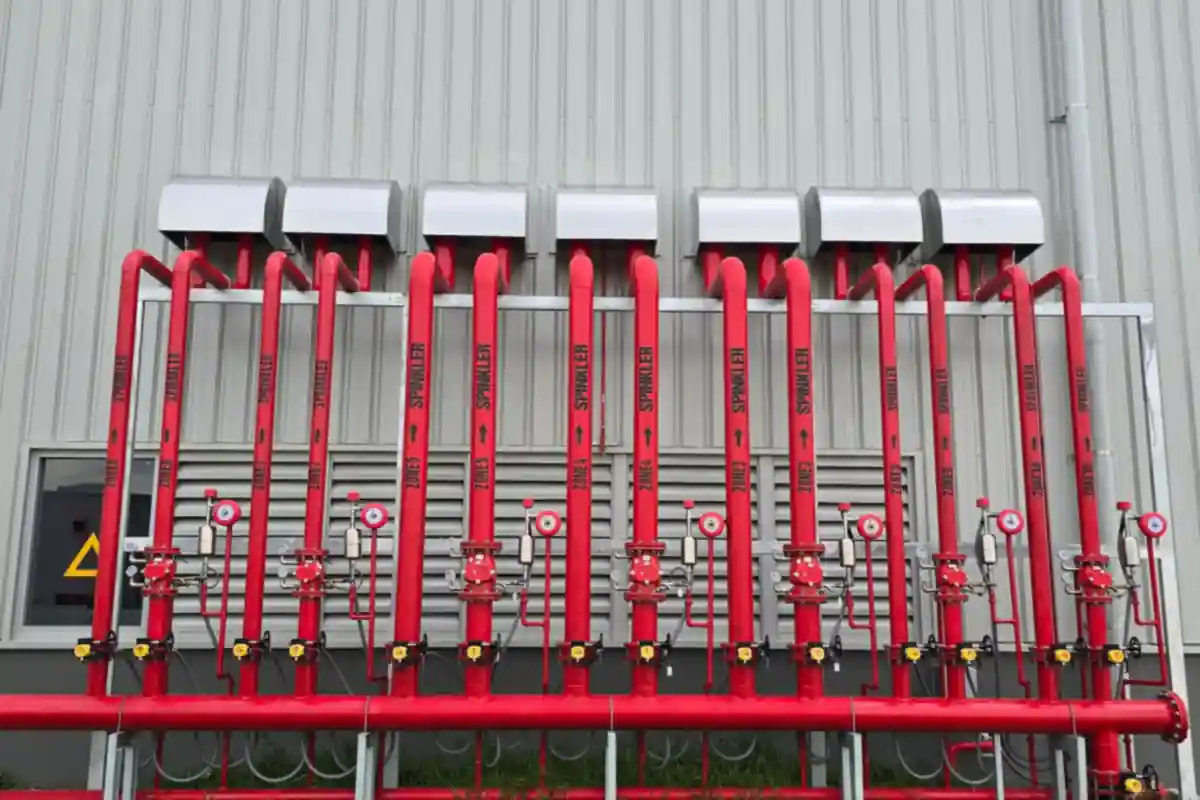
You position pipe sections, supports and sprinkler heads according to the installation drawings. The system must fit around the building and other services. Drawing changes are discussed rather than improvised, because moving a component may affect the design. Testing, inspection and commissioning follow the agreed division of responsibilities. Sprinkler installation therefore involves system-specific knowledge in addition to general pipe fitting.
Pipework must preserve the designed fire protection
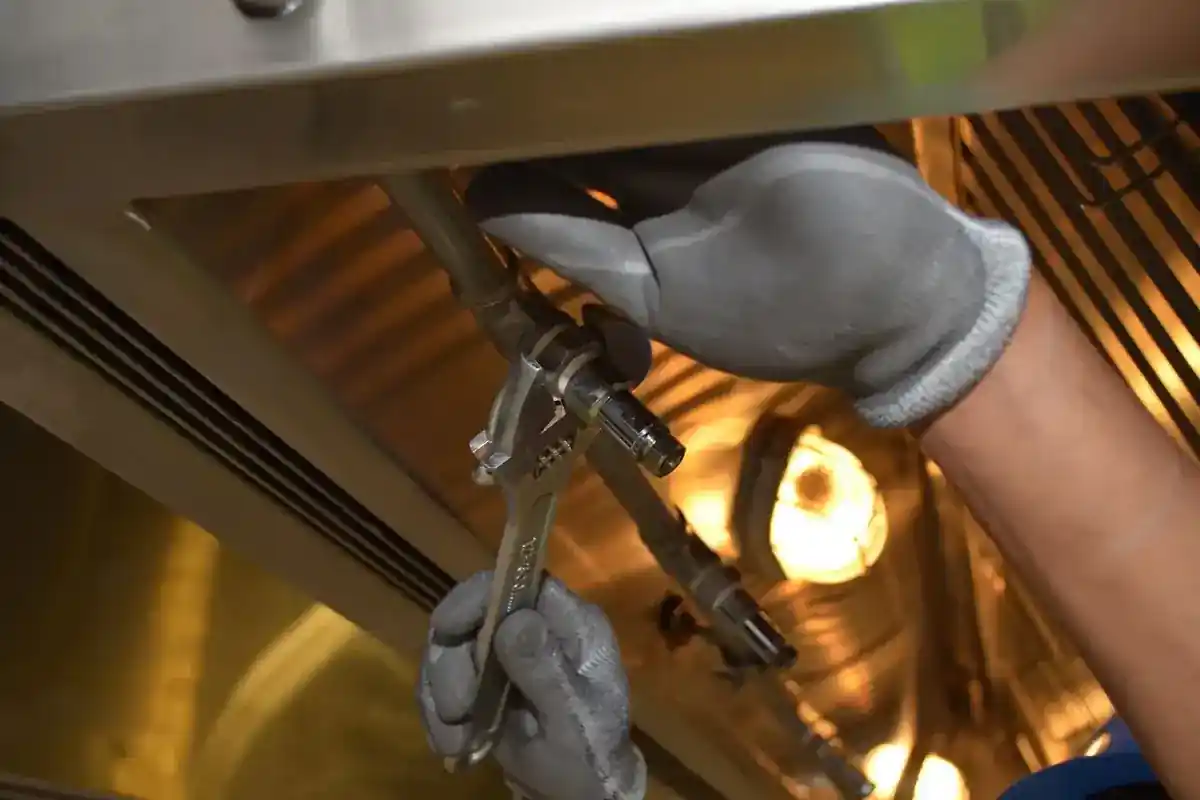
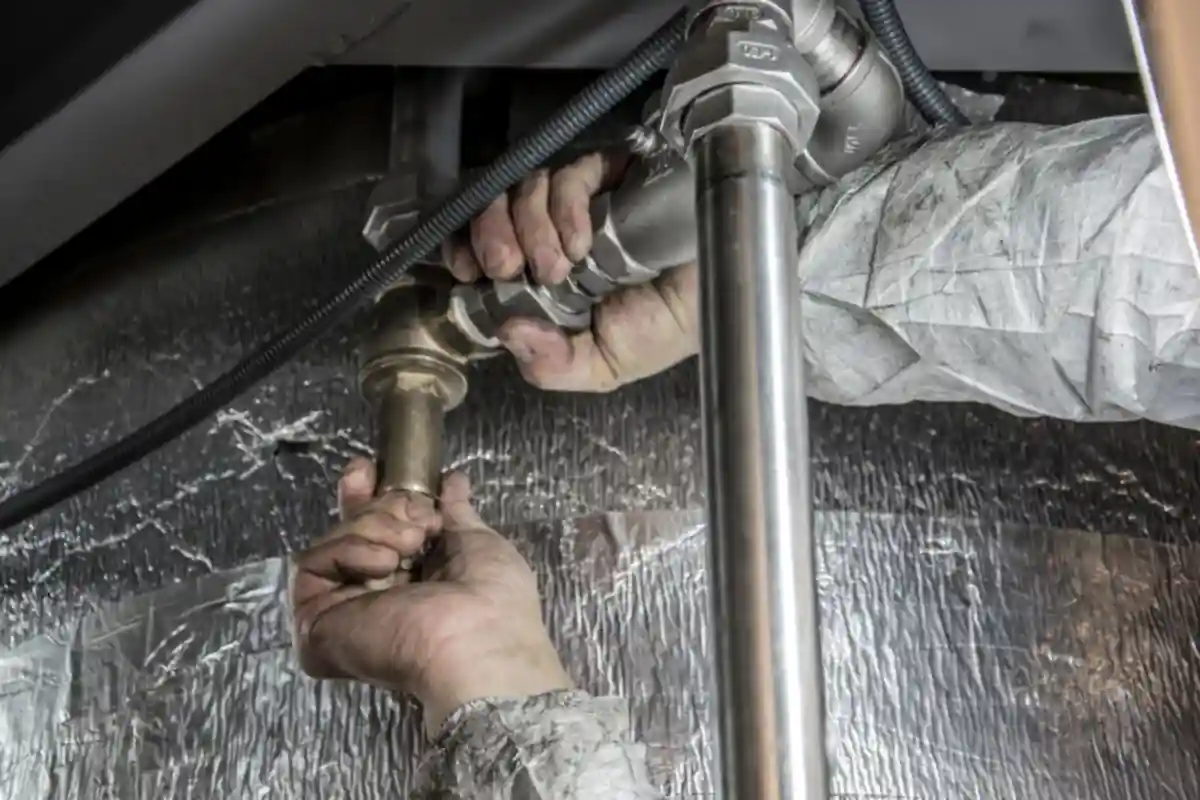
A sprinkler fitter installs pipe networks, supports and sprinkler positions from approved drawings. Pipe sizes, head selection and positioning belong to the design and cannot be changed by judgement alone. Work includes preparing pipe and joints, mounting valves and maintaining component identification. Sprinklers need protection from damage and contamination during construction. Testing and commissioning follow an agreed procedure with recorded results. Conflicts with ceilings, other services or changes in building use are reported because they can affect the intended performance of the protection system.
What will you do?
- Check installation drawings and available materials.
- Prepare supports and pipe sections.
- Install sprinkler pipework and associated components.
- Compare positions and connections with the design.
- Assist with assigned checks and handover items.
Where will you work?
You work in warehouses, factories, shops or other commercial buildings, often above normal working height. You coordinate with other installers, construction staff and the person responsible for the system.
What does a working day look like?
You begin with the planned route and available work zones. You build a section of pipework and review progress. Unexpected obstacles are discussed before changing the installation.
Which skills and experience help?
Reading drawings, pipe assembly and accuracy help. Describe connection methods, support systems and access equipment you know. Required system knowledge and training depend on the actual assignment.
How can you develop?
You can progress into complex installations, maintenance or team support. Further training may be needed for inspection duties and additional technical responsibility.
Your practical experience
A warehouse pipe network or installation above a suspended ceiling makes a useful example. Describe pipe preparation, grooved joints, supports and head positioning. Distinguish installation from maintenance and participation in testing, then explain how you recorded and resolved differences between approved drawings and the actual conditions on site.
Practical questions about the trade
How do wet-pipe and dry-pipe sprinkler systems differ?
Wet-pipe systems contain water in their pipework. Dry-pipe systems initially use air or nitrogen to hold water out of the protected network. This changes components and installation details, particularly in freezing conditions. Fitters follow the relevant system documentation. A dry sprinkler is also a component type and does not mean the whole network is dry-pipe.
Why cannot a sprinkler head simply be moved or replaced?
Type, orientation and position form part of the protection design. Nearby obstructions can affect water distribution, so a similar-looking head is not automatically interchangeable. The fitter checks product identification and drawings, protects heads during construction and refers necessary changes for assessment before carrying them out, including conflicts created by ceilings or other services.
What follows pipe installation before a sprinkler system is handed over?
The specified inspections, tests and records are completed. Checks cover the installed arrangement, relevant components and test results under the agreed procedure and responsible parties. Leak-tight pipework alone does not demonstrate that the full protection system is correct. Outstanding deviations and updated drawings also need resolution before the installation is accepted for service.
More about this occupation
Occupational, training and technical sources relevant to this page.
- SBB / KiesMBO — Werktuigkundige installaties
- Onderhoud VBB-installaties 4.0: competentieprofielen — CCV
- I-VICFLEX-POL PODRĘCZNIK DOTYCZĄCY TERENOWEGO MONTAŻU produktów Victaulic® VicFlex™
- Tryskacze automatyczne Victaulic® FireLock™
- Wet System Manual.indd
- Fire protection systems — Viking Fire Protection Group