What does this occupation involve?
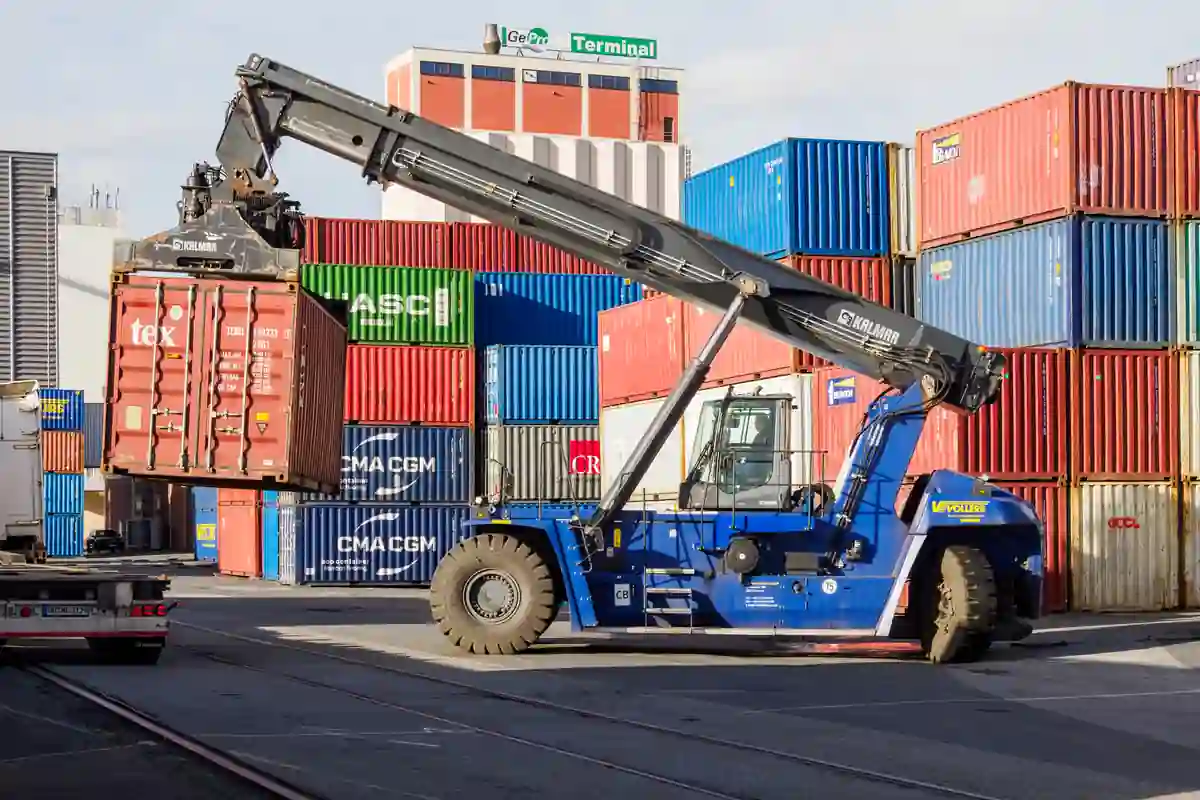
A reachstacker handles containers with a lifting attachment on a telescopic boom. The work requires understanding the assigned machine and terminal procedures. Container identity, location and movement instructions must remain clear. This equipment differs from a standard forklift, so ordinary forklift experience does not by itself establish competence for the role.
Container handling depends on reach, configuration and identity
A reachstacker operator moves and stacks containers at a terminal using a telescopic boom and spreader. The work differs from operating a warehouse reach truck. The physical container must match the movement order and assigned position. Load weight, reach and machine configuration determine handling capability. A headline capacity does not apply automatically at every distance. Visibility, terminal traffic and communication matter alongside equipment condition. Machines may be intended for loaded or empty containers, and candidates should identify which equipment they have operated.
What will you do?
- Review movement instructions and perform assigned equipment checks.
- Identify containers and confirm their intended destination.
- Move and stack containers within the agreed terminal procedures.
- Coordinate with colleagues and other vehicle operators.
- Record movements and report equipment faults or unusual conditions.
Where will you work?
You work outdoors at container terminals, depots or intermodal facilities. Trucks and other handling equipment may operate nearby. Weather, visibility and the layout of container stacks influence the work.
What does a working day look like?
After the shift briefing and machine checks, you work through container moves in the planned order. Priorities can change with arrivals and departures. You finish by reporting completed movements and handing over machine information.
Which skills and experience help?
Spatial awareness, concentration and clear radio communication are useful. You need machine-specific training and familiarity with terminal rules. Describe your container-handling experience and the exact equipment you have operated.
How can you develop?
You can develop with other terminal equipment or more complex handling operations. Broader terminal knowledge may support a role helping coordinate movements or train colleagues when appropriately qualified.
Your practical experience
Name the reachstacker model and whether you handled loaded or empty containers. Describe how you checked container numbers and locations, including the terminal system you used. Give an example where the required reach or machine configuration needed checking before the assignment.
Practical questions about the trade
Is a reachstacker the same machine as a warehouse reach truck?
No. A reachstacker handles containers using a telescopic boom and suitable attachment, commonly a spreader. A reach truck is another type of materials handling machine, usually moving pallets in a warehouse. The environment, controls and loading differ. Reach truck experience alone therefore does not establish readiness for independent reachstacker operation at a container terminal.
Why does reachstacker lifting capacity change with outreach?
The load position relative to the machine affects loading and stability. Capacity charts therefore specify capabilities for particular positions and configurations. A maximum figure in a brochure cannot be applied to every container row or reach. The operator needs the data for the actual machine and attachment when assessing the assigned movement.
Why does a reachstacker operator check both container identity and spreader status?
The container number links the physical unit to the terminal order and location. Spreader status concerns the connection between machine and load. These are separate checks: a correct number does not demonstrate correct engagement, while correct engagement does not establish that the right container was selected. Both belong within the instructions for the movement.
More about this occupation
Occupational, training and technical sources relevant to this page.