What does this occupation involve?
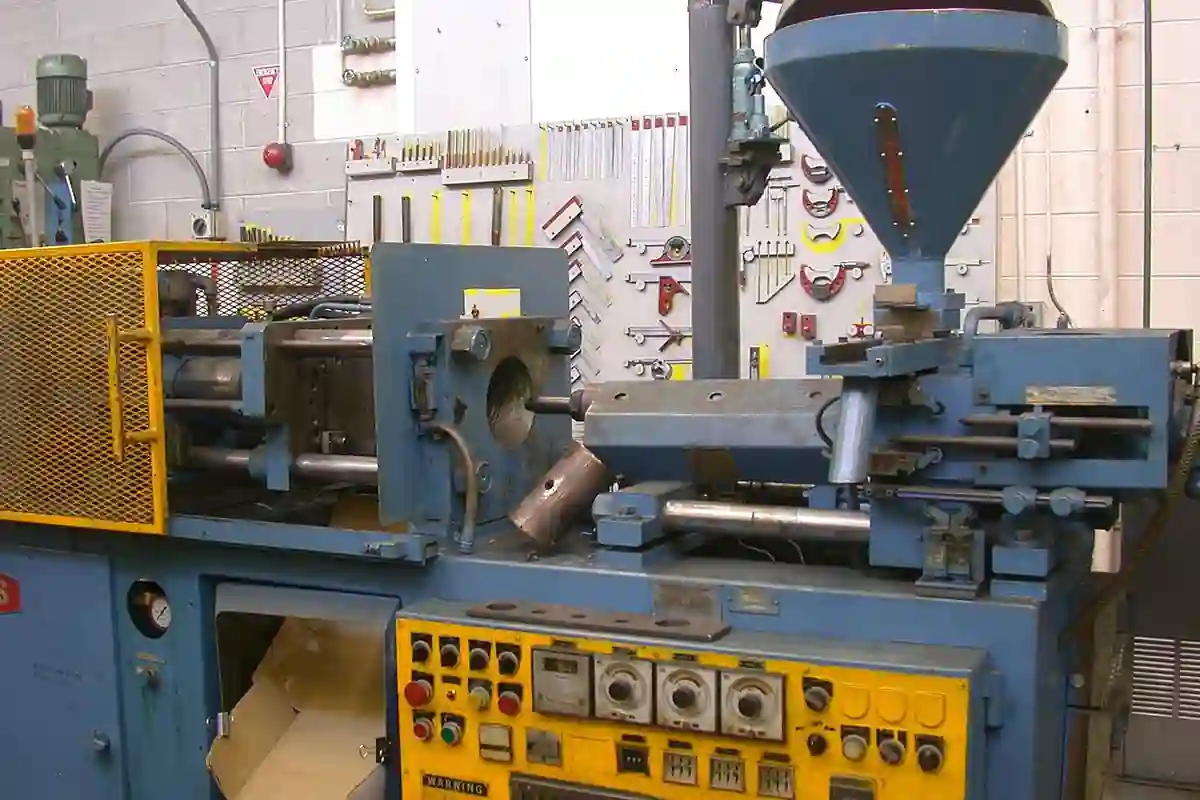
Injection moulding forms products in a mould using a controlled manufacturing process. The material, mould and machine settings all affect quality. Some roles focus on running an established process and removing parts; others include setup responsibilities. Changes to the process belong to designated, trained staff and should be agreed rather than improvised.
Stable moulding makes changes in the product easier to recognise
An injection moulding operator monitors a process in which plastic granules are melted, injected into a mould and removed as a formed part. Material, mould and machine parameters work together. Duties include checking specified product features, preserving batch identity and reporting short shots, flash or sink marks. Drying requirements depend on the particular plastic grade. Monitoring production differs from changing a mould or approving a process. Parameter changes follow assigned responsibilities and are recorded so their relationship to the product result can be understood.
What will you do?
- Review the production order, material identification and work instructions.
- Prepare assigned materials and equipment for the production run.
- Monitor the machine and handle products using the agreed method.
- Inspect appearance and specified dimensions and separate rejected parts.
- Record production, defects and information for the next shift.
Where will you work?
You work in a plastics manufacturing facility, often around several production stations. Shift work may occur. Material storage, hot equipment and moving machine parts require an organised workspace and clear instructions.
What does a working day look like?
You receive a handover on the current order and process condition. During production, you inspect parts and report changes in quality or machine behaviour. Completed batches are identified and transferred according to the production plan.
Which skills and experience help?
Attention to detail, consistent inspection and basic technical understanding are useful. Explain whether your experience covers operation, mould changes or setting adjustments. These responsibilities require different levels of training and independence.
How can you develop?
You can develop in machine setup, mould preparation or process quality. Additional materials and process training can support more technical responsibilities in plastics production.
Your practical experience
Describe a product and plastic grade you worked with. Name the checks you performed and a defect you recognised. Explain whether you removed and inspected parts, monitored the process, or also changed moulds and established settings. This makes your operating responsibility clear.
Practical questions about the trade
Should every plastic granulate be dried in the same way before injection moulding?
No. The need for drying and the suitable conditions depend on the material and its current condition. Processing data for the specific plastic grade are the reference. A setting used successfully for one product is not automatically suitable for another. Identifying the material and following its preparation requirements matter more than copying an earlier job.
What do short shots, flash and sink marks tell an injection moulding operator?
They describe different symptoms: incomplete filling, excess material near a mould separation, or local surface depressions. Causes can involve the material, mould or process. Appearance alone does not identify one certain cause. A clear defect description and recorded production conditions help the responsible person investigate the change and decide what needs checking.
How does monitoring injection moulding differ from setting or changing the mould?
Monitoring involves following running production and completing agreed product checks. Setup can also involve a mould change, process selection and assessment of trial parts. Responsibilities vary by company and role. The operator needs to know which changes are permitted, which must be recorded and when to involve the setter or process specialist.
More about this occupation
Occupational, training and technical sources relevant to this page.