What does this occupation involve?
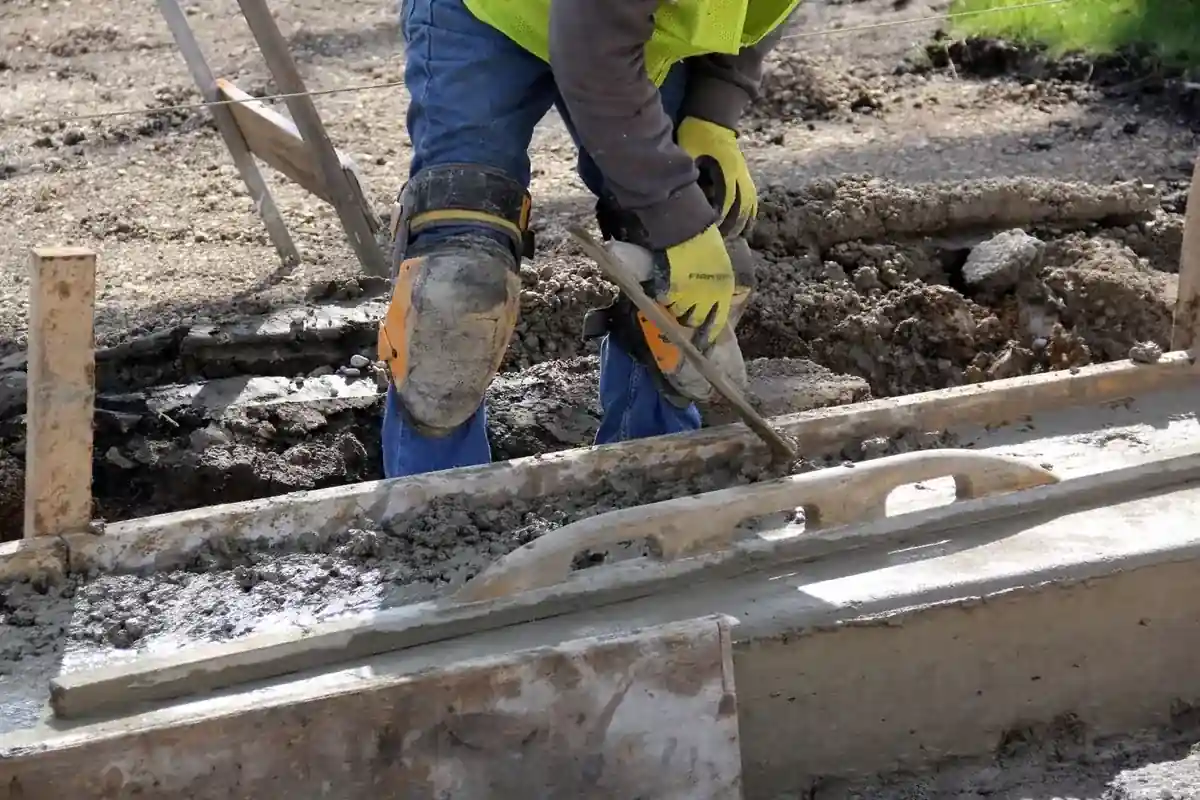
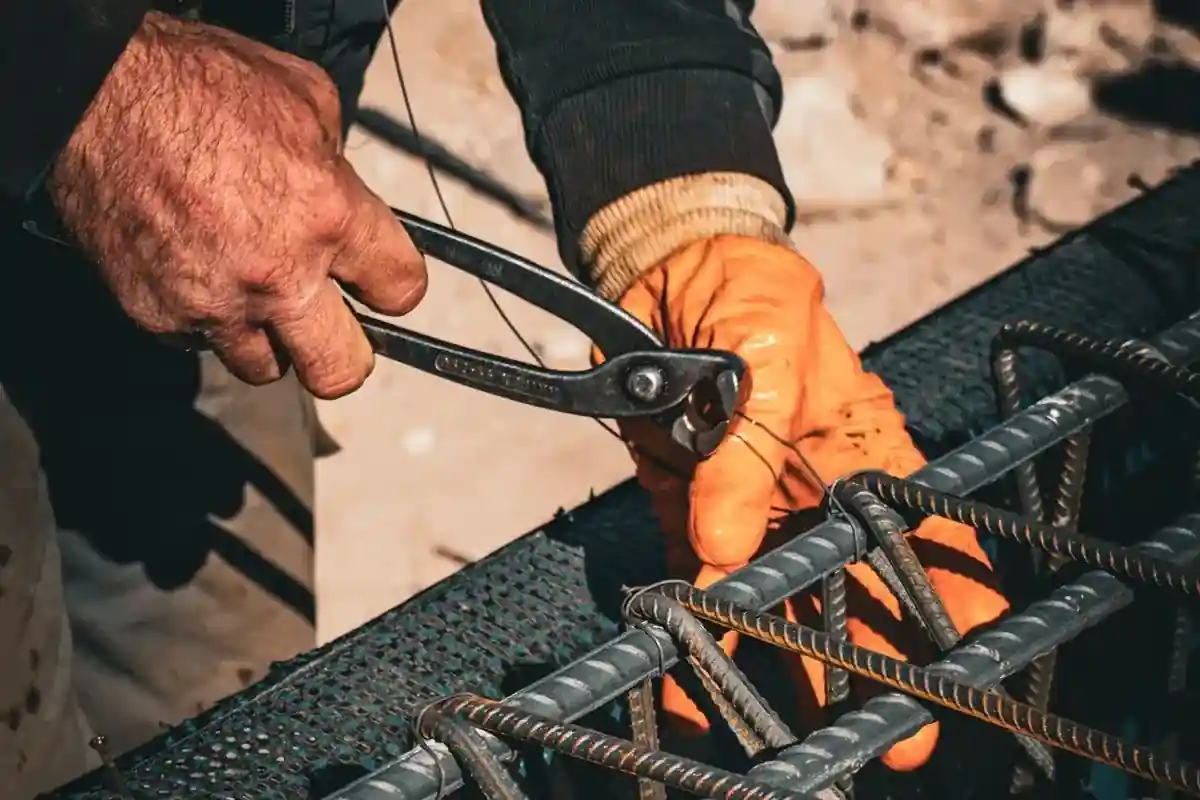
Factory production uses moulds to create repeatable concrete products. Depending on the assignment, you prepare moulds, position reinforcement or inserts, assist with production and finish completed elements. Drawings and order details determine the required shape and features. Consistent identification helps ensure each product reaches the right project.
Check the hidden details before concrete is placed
Precast production quality starts with the mould and the items that will disappear inside the concrete. Reinforcement, spacers, openings and cast-in components must match the production drawing. Mould preparation affects the finish and subsequent release. Concrete is then placed, consolidated and cured using the specified process. Demoulding follows the plant’s release criteria rather than a visual guess. Final checks cover dimensions, edges, visible inserts and identification. An attractive face does not prove that hidden details are correct, which makes the pre-pour inspection particularly important.
What will you do?
- Check production drawings, moulds and the materials for the order.
- Prepare moulds and fit assigned inserts or components.
- Assist with reinforcement and concrete production within your role.
- Inspect dimensions and visible finish and report deviations.
- Clean equipment and prepare approved elements for the next stage.
Where will you work?
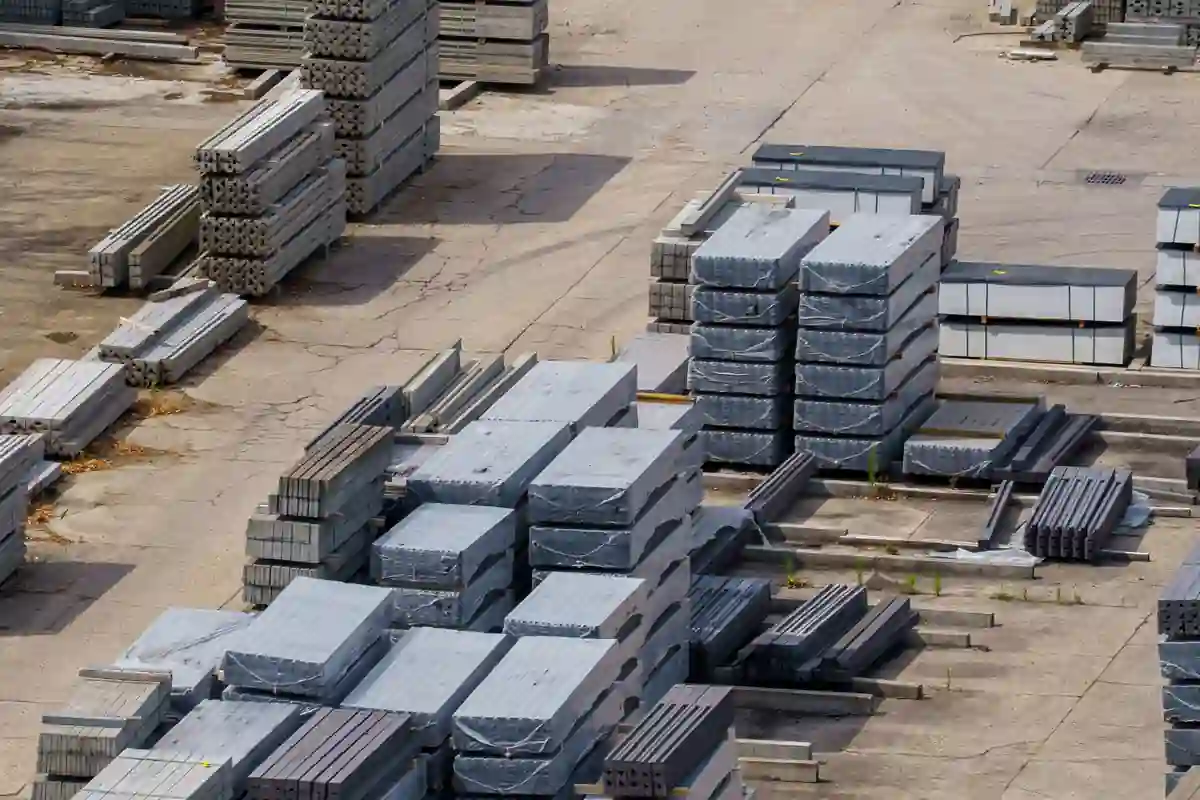
You usually work in a production hall or on a factory yard. Large moulds and heavy elements require organised lifting and movement. Some duties are repetitive, while special orders demand additional preparation.
What does a working day look like?
The shift starts with the production schedule and workstation handover. You prepare the next elements, assist with production and inspect completed work. Timing between production stages determines which tasks can follow immediately.
Which skills and experience help?
Practical ability, drawing reading and attention to dimensions are useful. Experience with reinforcement, moulds or concrete finishing can help. Explain your actual tasks and equipment experience so the appropriate training and responsibilities can be agreed.
How can you develop?
You can specialise in mould preparation, reinforcement or quality checks. Broader production knowledge may lead to more complex elements, machine operation or helping coordinate a production team.
Your practical experience
Identify the products you made, such as wall panels, stairs or balconies, and the stages you handled. A useful example concerns a misplaced opening or insert found before casting. Explain the drawing check, the correction process and how the element remained linked to its production record and intended destination.
Practical questions about the trade
What belongs in a precast concrete pre-pour check?
The mould dimensions, openings, reinforcement and cast-in components are compared with the production drawing. Cleanliness and mould preparation also matter. Many details become inaccessible once the concrete is placed. Recording the pre-pour check therefore helps prevent a component with an acceptable surface but incorrect hidden or installation details from proceeding through production.
Why is appearance insufficient for deciding when to demould precast concrete?
The element needs to withstand the forces involved in release and handling. A hard-looking surface does not establish that condition. Plant release criteria determine when demoulding can proceed. Afterwards, edges, faces and visible cast-in components are checked for damage so that a handling problem does not pass unnoticed into storage or transport.
What is checked on a finished precast concrete element?
Inspection covers specified dimensions, opening positions, visible cast-in components and the condition of edges and faces. The product identification must match the order and intended component. A chipped edge and a missing installation item are different issues. Repair or acceptance follows the quality plan and the significance of the actual deviation.
More about this occupation
Occupational, training and technical sources relevant to this page.